


…Warn against repeat of subsidy windfall experience
Barely weeks into the implementation of Nigeria’s new tax regime, concerns are growing among citizens over how the proceeds will be used by the Federal Government and state governments.
Across cities and towns, discussions are shifting from whether taxes should be paid to whether the expected increase in revenue will translate into visible public benefits. Many Nigerians say their willingness to comply with the new framework depends largely on trust in how funds are managed.
Read also: Global capital returns, Africa is left waiting as FDI falls 38%
Doubts over government spending
For years, weak public services and failing infrastructure have fuelled scepticism about tax compliance. Roads, hospitals and schools remain in poor condition in many areas, reinforcing the belief that tax revenue does not improve daily life.
“Government always talks about revenue, but we don’t see results,” said Abdullahi Oladele, a Lagos-based worker. “Roads are bad, hospitals are empty, schools are struggling. If we pay more tax, what changes?”
Such views reflect a broader concern that public funds are often mismanaged or diverted. Analysts say this perception remains a major barrier to building a strong tax culture in the country.
Read also: Nigeria’s music industry hits $1 billion valuation as global demand expands
Government’s position
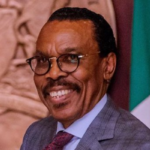
Taiwo Oyedele, chairman of the Presidential Fiscal Policy and Tax Reforms Committee, has said the new tax regime is designed to support economic growth rather than place additional burden on citizens.
“The whole idea is to try and promote economic growth, inclusivity, as well as shared prosperity for our people,” he said.
According to the committee, the reforms aim to expand the tax net, improve efficiency and ensure a fairer distribution of revenue across levels of government.
Read also: TotalEnergies completes exit from Nigeria onshore oil assets as gas focus remains
States to receive more revenue
One major change under the new National Tax Acts is the redistribution of value-added tax (VAT). The federal government’s share will reduce from 15 per cent to 10 per cent, while states’ share will increase from 50 per cent to 55 per cent. Local governments will retain 35 per cent.
In addition, Pay-As-You-Earn (PAYE) tax, which is administered by state governments, is expected to grow as more workers, especially in the informal sector, are brought into the tax system.
This shift has raised fresh concerns about accountability at the subnational level. “What worries me is not just paying tax, but who controls it,” said Olawunmi Olaitan, a public servant. “States are getting more money, but will this translate to better healthcare, education and infrastructure, or will it disappear like previous funds?”
Read also: Experts call for clearer public education on Tax Reform Act
Lessons from subsidy removal
Many Nigerians point to the 2023 fuel subsidy removal as a warning sign. At the time, governments promised that savings would fund development projects and ease living conditions.
While state allocations from the Federation Account Allocation Committee (FAAC) increased, citizens say there has been little improvement in public services.
As tax reforms take hold, Nigerians are calling for transparency, clear reporting and visible projects to avoid a repeat of what they describe as missed opportunities.