


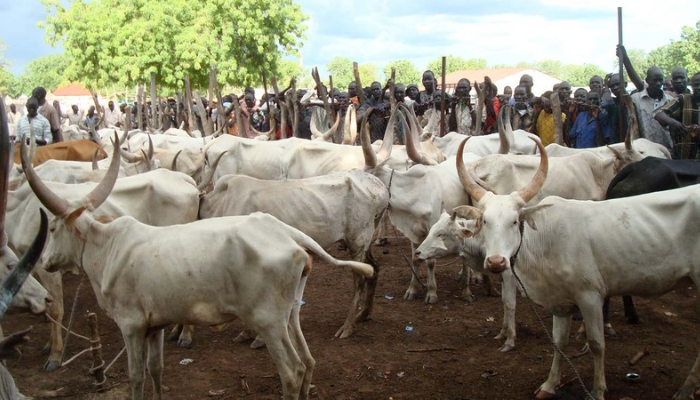
Nigeria’s livestock market continues to rely heavily on imported products, with industry data showing a steady increase in the value of livestock imports. Analysts say the development highlights both a challenge and an opportunity for Nigerian agribusiness entrepreneurs.
Imports currently dominate several segments of the livestock market, particularly in dairy products, processed meat and animal feed ingredients. Industry observers say the situation reflects a supply gap between domestic production and the growing demand for animal protein across the country.
Read also: Artificial intelligence adoption grows among Nigerian SMEs
Nigeria’s population growth, urbanisation and changing food consumption patterns are increasing the demand for meat, milk and poultry products. However, local production capacity has struggled to keep pace with this demand.
Experts say the supply gap has created a large market currently being filled by imported livestock products. While this dependence increases the country’s import bill, it also signals a strong opportunity for local agribusiness investment.
Growing demand for livestock products
Agriculture analysts say Nigeria’s livestock industry faces structural challenges that limit local production. These challenges include limited access to financing, poor livestock infrastructure, high feed costs and limited cold-chain systems for transporting and storing meat products.
Many small livestock farmers also operate on a small scale, which makes it difficult for them to meet large commercial demand from urban markets.
Read also: Lagos port terminal project signals trade opportunity for Nigerian SMEs
As a result, importers continue to supply a significant portion of the meat and dairy products consumed across the country.
Industry stakeholders say this reliance on imports exposes the sector to international price fluctuations and foreign exchange pressure. When global prices rise or the local currency weakens, imported food products become more expensive for Nigerian consumers.
Strengthening domestic production is therefore considered important for improving food supply stability and reducing import dependence.
Opportunities for SMEs
Agriculture experts say small and medium-sized enterprises could play an important role in expanding Nigeria’s livestock value chain. Opportunities exist in livestock breeding, poultry farming, dairy processing, feed production and veterinary services.
Other opportunities are emerging in cold-chain logistics, meat processing, packaging and livestock distribution networks.
Read also: Digital identity platform launches to protect Nigerian SMEs from online scammers
Agribusiness investors say improving access to financing, training and modern farming technology will help SMEs expand their production capacity.
Government programmes aimed at supporting agricultural entrepreneurs may also encourage more investment in livestock production.
Stakeholders believe strengthening Nigeria’s livestock value chain could reduce import dependence while creating new opportunities for SMEs, employment and agribusiness growth across the country.