


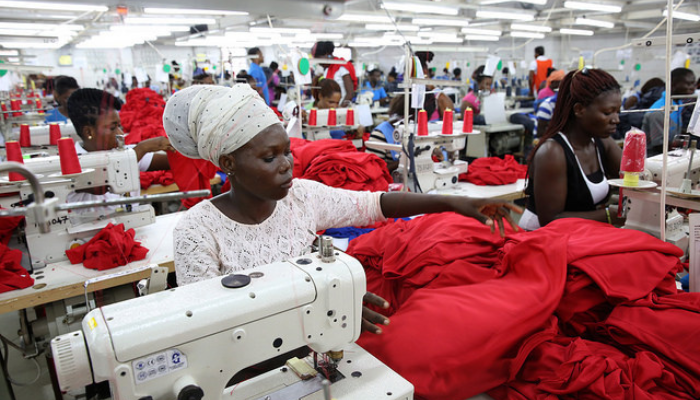
Nigeria faces a widening mismatch between the number of graduates entering the labour market each year and the formal economy’s ability to absorb them. With over one million graduates from universities, polytechnics, and colleges of education entering the workforce annually and the formal sector generating fewer than 800,000 new jobs each year, the gap is structural and growing — and small businesses are being expected to fill it.
Read also: BAS Finance surpasses N20bn in SME loan disbursements across Nigeria
The scale of the problem
Nigeria needs to create 27.3 million jobs between 2025 and 2030 simply to maintain the current unemployment rate of 4.3 per cent, according to projections from the Nigerian Economic Summit Group. That translates to roughly 3 to 4 million new jobs every year, a pace that the formal economy has never consistently achieved.
The official unemployment rate, while relatively low on paper, masks a far more difficult reality. The National Bureau of Statistics’ revised methodology classifies anyone working at least one hour per week as employed, which means millions of underemployed Nigerians, particularly in the informal sector, are counted as part of the workforce. Combined unemployment and underemployment stood at 15.3 per cent as recently as 2024, with self-employment accounting for over 85 per cent of total employment.
In a labour market where most people are doing something, but what they are doing does not pay enough or build toward enough, the headline numbers tell a story that is technically accurate and practically misleading at the same time.
Read also: Fintech firm puts N20bn into Nigerian SMEs in under a year
Why SMEs are being looked to as the answer
SMEs account for over 90 per cent of businesses in Nigeria and contribute the vast majority of private sector employment outside of agriculture. As large corporations continue to shed jobs and the public sector remains constrained, small businesses have become the de facto shock absorbers of the labour market.
The problem is that SMEs themselves are operating under significant strain. High financing costs, unreliable power, insecurity in many regions, and policy inconsistency continue to limit the capacity of small businesses to hire and grow. Expecting them to solve Nigeria’s employment challenge without addressing these underlying constraints is, as analysts increasingly argue, an approach that transfers responsibility without transferring the support needed to meet it.
Read also: SMEDAN pushes to make Nigerian entrepreneurs bankable through new framework
What needs to change
NESG economists have identified manufacturing, ICT, construction, and professional services as the sectors with the greatest potential to generate formal employment at scale. But realising that potential requires deliberate investment in infrastructure, business environment reform, and credit access for the SMEs that operate across those sectors.
Solving Nigeria’s job gap and solving its SME support gap are ultimately the same problem — and the sooner policymakers treat them that way, the faster progress is likely to come.