


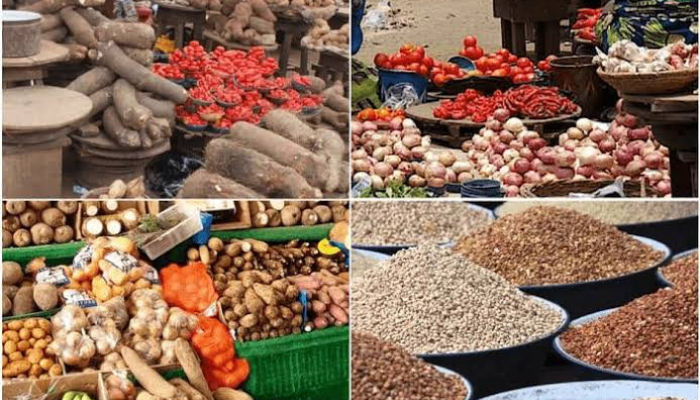
Food prices across major Lagos markets have risen again in May 2026, reversing part of the relief recorded in April as transportation costs, seasonal supply shifts, and rising logistics expenses pushed up the cost of staple commodities. The findings emerge from Nairametrics’ monthly food price survey, which tracked 67 items across four key markets in the state and found conditions to be notably more pressured than the previous month.
Read also: Rising diesel costs squeeze Nigerian SMEs property, construction sectors
More items more expensive in May
The survey tracked a basket of 67 staple food items across Mushin, Mile 12, Daleko, and Oyingbo markets and recorded a gradual stabilisation trend in May 2026, reflecting the interplay of supply adjustments, seasonal harvests, and persistent cost pressures across Nigeria’s food value chain. A review of the 67 items shows that 27 recorded price increases in May, a notable rise from the 18 items that increased in April 2026. Traders in the markets described May as a mixed month, with demand weakening even as prices climbed. “Even when prices go up, customers are buying smaller quantities,” said Prince Emma, a grains seller at Oyingbo market. The pattern reflects the growing strain on household purchasing power, which in turn directly reduces revenue for the small food vendors and market traders who depend on consistent consumer spending.
Read also: Retail loans contract even as Nigeria’s consumer credit rises to N3.81trn
Inflation context and supply chain pressure
As of April 2026, Nigeria’s headline inflation rose to 15.69 per cent, up from 15.38 per cent recorded in March, while food inflation rose to 16.06 per cent year-on-year, though significantly lower than the 24.68 per cent recorded in April 2025. The National Bureau of Statistics attributed the rise in food prices to increases in the cost of key staples including millet, yam flour, fresh ginger, beef, garri, beans, tomatoes, wheat grain, soybeans, and plantain. At the Lagos state level, food prices remain particularly sensitive to supply inflows from northern Nigeria and fuel-linked transport costs, meaning that any disruption along the supply chain — from farm gate to market stall — tends to be reflected quickly in what consumers pay.
Read also: SON, GAIN train food SMEs on fortification to cut malnutrition and open new markets
What it means for SMEs
The implications for small businesses in the food value chain are significant. For vendors, processors, and traders operating in Lagos markets, rising input and logistics costs compress margins at a time when consumers are already buying less. SMEs in food retail, catering, and agro-processing are particularly exposed, as they typically lack the bargaining power or capital buffers to absorb cost shocks that larger operators can manage more easily.
The May survey suggests that while severe food inflation pressures may be easing compared with 2024 and early 2025 levels, rising transport and logistics costs continue to limit the pace of price moderation across Lagos markets. For policymakers and business support institutions, the data reinforces that stabilising fuel and logistics costs remains critical to protecting the income and viability of the millions of Nigerians who earn their livelihoods through the food trade.