

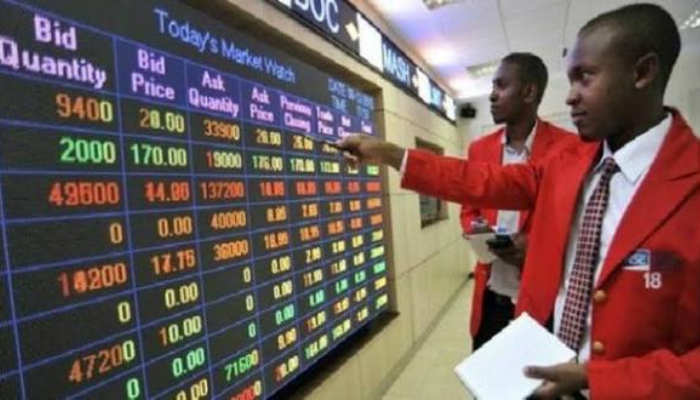
The Nigerian Exchange reached a new all-time high market capitalisation of N163.06 trillion on 23 September 2026, with the All-Share Index closing at 251,191.02 points in a record-setting session that capped a remarkable sequence of events for Nigeria’s capital market. The NGX has now delivered an estimated 62 per cent return in naira terms year-to-date, with the banking sub-index outperforming the broader market at more than 74 per cent, according to analysis by Daba Finance. In US dollar terms, the NGX continues to rank among the top-performing equity markets in the world in 2026.
Read also: Nigerian stock market gains N4.6tn in a week as banking and insurance stocks rally
What has driven the rally
The Nigerian Exchange’s 2026 performance has been built on a convergence of structural, macroeconomic, and event-driven factors that rarely align simultaneously. Banking sector earnings surged in the first half of the year as the recapitalisation programme strengthened balance sheets and elevated interest rates expanded net interest margins. Listed consumer goods and industrial companies reported improving cost-to-revenue ratios as inflation moderated from its 2024 peaks and naira volatility stabilised.
Three major institutional signals arrived in close succession. FTSE Russell confirmed Nigeria’s reclassification from Unclassified to Frontier Market status effective 21 September 2026, restoring Nigerian equities to the investment universe of international index-tracking funds for the first time since October 2023. Moody’s revised Nigeria’s sovereign credit outlook from stable to positive in August, citing improved external reserves, a declining current account deficit, and sustained reform momentum. S&P Global’s upgrade of Nigeria’s credit rating to B from B- in May added a third major institutional endorsement to the sequence.
Three global financial institutions delivering positive assessments of Nigeria within weeks of each other is not routine market noise. It represents a compounding signal that is changing how international capital allocators approach Nigerian assets.
Read also: NGX reclaims Africa’s top stock market crown with 69.5% dollar return
The IPO dimension
The opening of the Dangote Refinery IPO on 14 September, targeting N2.15 trillion in gross proceeds, introduced the largest equity transaction in Nigerian corporate history into an already-strengthening market. Investor positioning ahead of the offer, combined with the FTSE reclassification’s passive fund inflow expectations, contributed to the September surge that produced the record capitalisation figure.
Six Nigerian companies, including First HoldCo, Guaranty Trust Holding Company, Zenith Bank, MTN Nigeria, Dangote Cement, and Aradel Holdings, were simultaneously included in the FTSE Frontier 50 Index as part of the reclassification, representing 46.1 per cent of the index’s new constituents and generating automatic institutional buying demand from funds benchmarked to the index.
Read also: Nigerian stock market movement reflects cautious investor sentiment
What it means for businesses and the economy
For Nigerian companies considering capital market access as an alternative to expensive bank credit, the record market capitalisation arrives at the most receptive moment in several years. A market delivering 62 per cent naira returns is one in which investors are willing to price growth, take risk, and participate in new listings, rights issues, and bond offerings at valuations that would have been difficult to achieve 18 months ago.
The NGX record also changes the scale conversation around Nigeria’s economy. A market capitalisation of N163 trillion, relative to a GDP that crossed N100 trillion in nominal terms, points to an equity market that is beginning to reflect the depth and ambition of the underlying economy rather than remaining perpetually discounted relative to it.
The stock market is not the economy. But a stock market that is delivering record returns, attracting international institutional capital, and preparing to absorb Nigeria’s largest-ever IPO is a signal that the conditions for commercial growth are improving, even if the improvement is unevenly distributed between the financial markets and the ground-level business environment where most Nigerian entrepreneurs operate.