

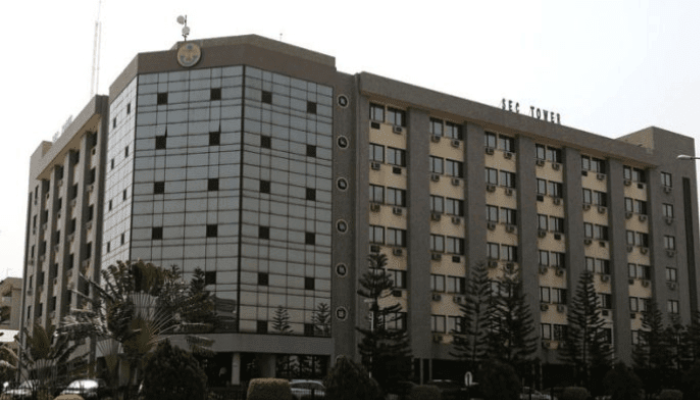
Nigeria’s capital market mobilised N753 billion within seven months, largely driven by increased issuance of commercial papers, according to the Securities and Exchange Commission (SEC). The funds were raised between April and October 2025 to support short-term financing needs across sectors including manufacturing, energy and agriculture.
Read also: How Nigeria’s biggest 2025 deals changed the way companies raise money
Companies turn to alternative funding
The SEC said the growing use of commercial papers reflects how companies are increasingly turning to the capital market rather than traditional bank loans. High interest rates and tighter credit conditions have made short-term debt instruments a preferred option for meeting working capital requirements.
Read also: Nigeria faces uphill task selling new upstream oil dream
Investor participation remains steady
Market activity during the period showed sustained investor participation, supported by regulatory oversight and improved market confidence. The SEC noted that issuers were able to raise funds at competitive rates, indicating continued appetite for Nigerian debt instruments despite macroeconomic pressures.
Read also: EFCC urges Opay to strengthen controls against fraud and money laundering
Broader market reforms support liquidity
Structural reforms, including improvements to settlement cycles and enhanced disclosure requirements, have helped strengthen liquidity and transparency in the capital market. Regulators say these measures are aimed at improving efficiency and aligning Nigeria’s market practices with global standards.
While market volatility remains a concern, analysts expect capital-raising activities to continue as businesses seek flexible funding options. The SEC said ongoing reforms and macroeconomic stability will be key to sustaining investor confidence in the coming months.