


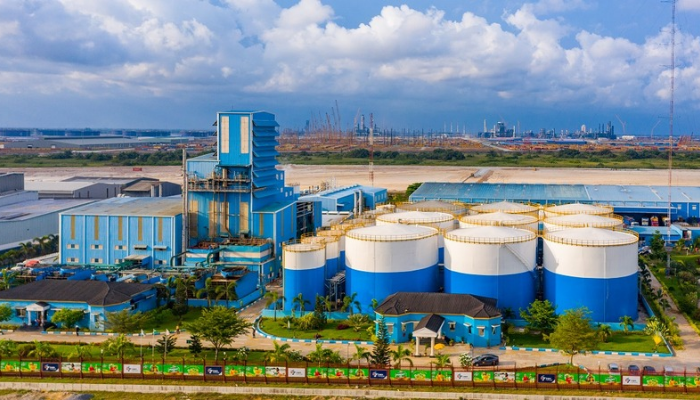
Industry stakeholders have raised concerns that recent trade policy adjustments may deepen structural imbalance within Nigeria’s manufacturing sector. The concerns centre on tariff revisions, import regulations and shifting compliance requirements that manufacturers say are creating uncertainty in the operating environment.
Read also: Digital payments drive growth in Nigeria’s nightlife economy
Policy and competitiveness
Manufacturers argue that inconsistent tariff structures and import policies can distort competition, particularly when imported finished goods enter the market at lower effective costs than locally produced alternatives. Some industry leaders warn that frequent regulatory changes may discourage long-term investment, as businesses struggle to forecast costs and returns with certainty.
Small and medium-scale producers are particularly vulnerable to policy uncertainty, as they operate with tighter margins and limited access to credit. For many SMEs, even minor adjustments in import duties or foreign exchange access can significantly affect pricing structures and profitability. Industry representatives maintain that a predictable trade framework is essential for maintaining competitiveness and encouraging capacity expansion.
Read also: Nigeria to commence export of new crude grade in March
Cost pressures
Manufacturers continue to face high energy costs, logistics challenges and foreign exchange constraints. Electricity supply instability compels many firms to rely on alternative power sources, increasing production expenses. In addition, transport inefficiencies and port-related bottlenecks contribute to elevated distribution costs.
Policy shifts that increase import competition without strengthening local capacity could intensify pressure on domestic producers. Business associations are advocating for a stable, transparent framework that supports local production while encouraging fair competition and adherence to quality standards.
Read also: Federal Government launches single‑digit loan programme for entrepreneurs
Impact on SME operators
SMEs within the manufacturing ecosystem depend on consistent policy direction to plan production cycles, manage working capital and secure supplier agreements. Clear guidance, stakeholder consultation and coordinated policy implementation may help restore investor confidence.
Economic observers note that balanced trade policies are critical to strengthening industrial output, expanding employment and reducing reliance on imports. Sustainable growth will require coordination between fiscal, monetary and industrial policy measures to ensure long-term sector resilience.