

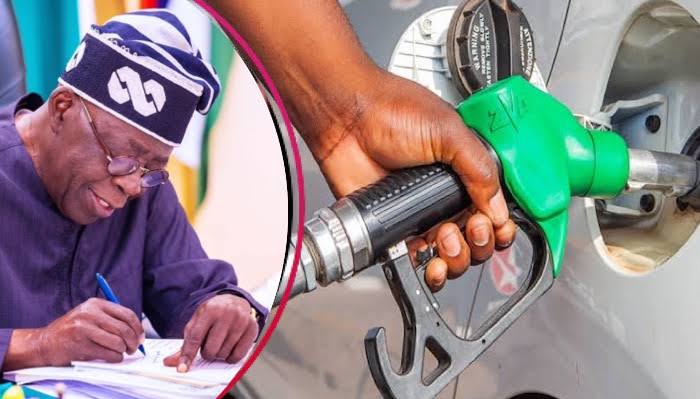
The Federal Government is reviewing the possible reintroduction of petrol and diesel import permits to address fuel supply concerns affecting businesses across the country.
The move follows growing complaints from small and medium-sized enterprises (SMEs) over rising fuel costs, which have increased operating expenses, disrupted planning, and squeezed already thin margins. Officials said the review is aimed at stabilising supply within the downstream sector.
Read also: Bank of Africa launches SME Invest program to boost Moroccan SMEs
Rising energy costs and pressure on SME operations
SMEs rely heavily on petrol and diesel due to limited and unreliable electricity supply. Many operators say fuel expenses now account for a significant share of daily running costs, directly affecting profitability.
Some business owners noted that energy costs increasingly determine whether operations can continue at all, particularly for manufacturing, retail, and service-based enterprises that depend on generators.
Read also: Non-oil export revenues set record in 2025, driving diversification efforts
Supply stabilisation hopes and policy uncertainty
Industry participants believe reopening fuel import permits could improve availability and ease price pressure, especially in the short term. Analysts, however, cautioned that the impact will depend on clear implementation, effective monitoring, and consistency in policy execution.
Fuel price stability could also reduce transport and logistics costs for SMEs involved in distribution, helping them manage pricing and sustain operations. Still, SME groups remain cautious, citing past policy shifts that disrupted planning and investment decisions. As one operator put it, “what SMEs need most is consistency.”
Experts advise businesses to monitor developments closely while managing fuel usage carefully, noting that fuel policy decisions remain critical to SME sustainability and forward planning.