

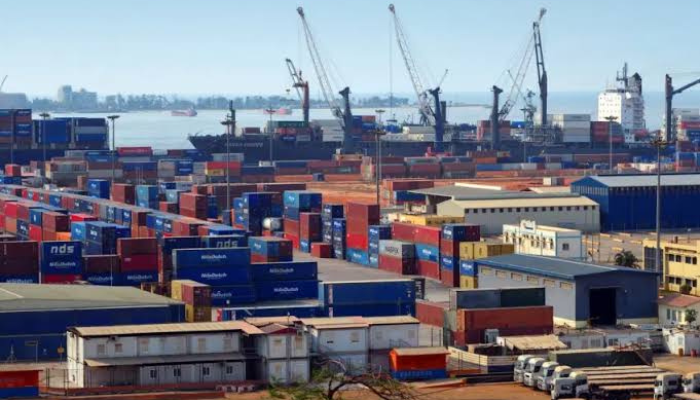
Nigeria’s maritime sector is preparing for a new infrastructure development following an agreement that will lead to the construction of a container terminal at Snake Island Port in Lagos.
The project forms part of a long-term concession arrangement between international shipping company MSC and Nigerian maritime firm Nigerdock. Industry stakeholders say the development could influence cargo movement and trade activities for businesses that rely on port operations across the country.
Read also: Digital identity platform launches to protect Nigerian SMEs from online scammers
Nigeria’s ports remain the main gateway for imports and exports. Many small and medium-sized enterprises depend on Lagos ports to import raw materials, machinery, and other production inputs.
Export-focused SMEs also rely on these ports to move agricultural commodities and processed goods to international markets. When delays occur within port operations, businesses often face higher logistics costs and disruptions to supply chains.
Read also: ACCI offers free exhibition booths to support women-owned SMEs
Port congestion remains a challenge
Congestion has remained one of the major operational issues affecting Nigerian ports for several years. Importers and exporters regularly report delays linked to vessel traffic, limited cargo handling facilities, and slow cargo clearance processes. These delays often extend the time goods remain at terminals and increase storage charges paid by businesses.
For many SMEs operating with limited capital, additional logistics costs can affect profit margins and business planning. Exporters of commodities such as cocoa, sesame, ginger, and cashew depend on efficient shipping timelines to meet delivery agreements with international buyers. When shipments are delayed, exporters risk losing contracts or facing penalties linked to delivery schedules.Efficient port operations remain important for businesses that rely on international trade.
Infrastructure expansion and cargo handling capacity
The proposed terminal at Snake Island Port is expected to include docking space designed for container vessels as well as equipment used in cargo handling operations. Maritime analysts say expanding terminal capacity may reduce vessel waiting time and improve cargo movement within the Lagos port corridor.
Improved infrastructure could also encourage more shipping companies to increase the frequency of vessel calls to Nigerian ports. When shipping access improves, businesses may experience more predictable delivery timelines and improved supply chain planning.
Industry observers say infrastructure investment within the maritime sector plays a role in strengthening the country’s trade environment.
Impact on small businesses involved in trade
Small and medium-sized enterprises operating within Nigeria’s trade ecosystem may benefit if logistics efficiency improves. Export-oriented SMEs involved in agricultural commodities depend on reliable shipping services to reach buyers in Europe, Asia, and other international markets.
Faster cargo processing can help exporters maintain delivery commitments and build long-term trade relationships. Import-dependent SMEs may also benefit from improved cargo clearance processes, which can reduce delays in accessing production inputs.
Improved logistics efficiency can support the growth of SME-driven trade activities.
Opportunities within the logistics sector
Expansion within port infrastructure may also create opportunities across Nigeria’s logistics industry. Freight forwarding firms, customs brokerage services, warehouse operators, and haulage providers often experience increased demand when port capacity expands.
Many of these support services are operated by SMEs that play a role in cargo movement across the supply chain. Increased activity within port operations may therefore contribute to new business opportunities within the logistics ecosystem.
Analysts say continued investment in port infrastructure will remain important if Nigeria aims to strengthen trade competitiveness and support long-term business growth. For many SMEs involved in import and export activities, improvements within the maritime sector could influence operational stability and expansion plans.