

Export-focused businesses in Nigeria are raising concerns about logistics disruptions that may affect the movement of goods across international markets.
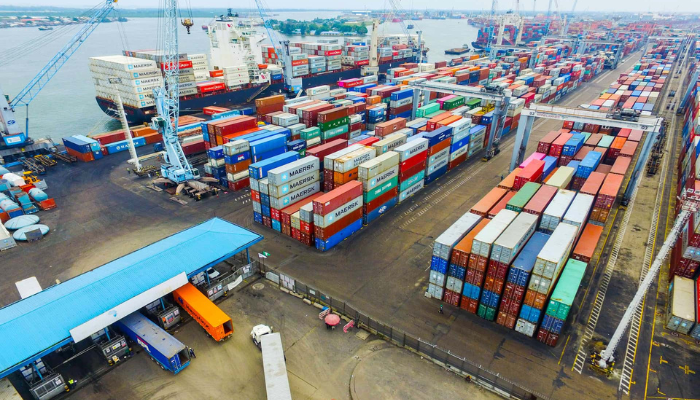
Industry operators say changes in global shipping routes linked to geopolitical tensions have begun affecting cargo movement through some international logistics corridors.
Many Nigerian exporters depend on global shipping networks that connect local ports to major international trade hubs.
Read also: Nigerian stock market movement reflects cautious investor sentiment
Agricultural exports face potential delays
Agricultural commodities form a large portion of Nigeria’s non-oil exports. Products such as cocoa, sesame, ginger, and cashew are shipped from Nigerian ports to buyers in Europe, Asia, and other markets.
Exporters say disruptions within global shipping networks could lead to delays in cargo movement.
When shipping schedules change, exporters may face higher logistics costs and longer transit times.
Stable shipping routes are important for maintaining export trade flows.
Read also: Financial institutions to lead Dangote Refinery listing on NGX
SME exporters express concern
Many exporters operating within Nigeria’s agricultural sector are small and medium-sized enterprises. These businesses often depend on predictable shipping timelines to maintain contracts with international buyers.
When cargo shipments are delayed, exporters risk missing delivery timelines agreed with buyers.
Trade groups say improving domestic logistics infrastructure could help reduce vulnerability to external disruptions affecting international shipping routes.
Read also: Lagos Motor Fair returns with focus on regional automotive trade
Call for improved trade logistics
Industry stakeholders are urging authorities to continue strengthening Nigeria’s port infrastructure and export logistics systems.
Expanding port capacity and improving cargo handling procedures may help reduce delays and support the movement of export goods.
Analysts say strengthening logistics infrastructure could play a role in supporting Nigeria’s goal of expanding non-oil exports.
Efficient logistics systems remain essential for export-driven SME growth.