


Two economic developments published today point in the same direction — toward a Nigerian economy quietly becoming more self-sufficient and more digitally sophisticated than its structural challenges might suggest.
Nigeria has emerged as one of the largest drivers of stablecoin inflows globally, while domestic refineries have completely displaced imported aviation fuel for 13 consecutive months, recording zero aviation fuel imports in the period.
Read also: Banks urged to back SMEs, exports in Tinubu’s economic framework
The stablecoin signal
Nigeria is a key driver of global stablecoin adoption, with Bitget Wallet confirming it has surpassed 100 million users worldwide as demand for dollar-denominated digital assets continues to surge across African markets. Stablecoins — digital currencies pegged to the US dollar — have become a practical financial tool for Nigerian businesses and individuals seeking to protect naira-denominated earnings from currency volatility, make cross-border payments at lower cost, and access dollar liquidity outside the formal banking system.
For Nigerian SMEs involved in import, export, or cross-border trade, stablecoins offer a payment rail that operates independently of the foreign exchange bottlenecks that have historically delayed transactions and added unpredictable costs to international commerce. A trader paying a Chinese supplier in stablecoin does not need to queue for dollars at a bank or pay the premium that characterises parallel market transactions.
Nigeria’s adoption of stablecoins is not a speculative phenomenon. It is a practical response to a financial environment where access to dollars is unreliable, remittance corridors are expensive, and the naira’s purchasing power has eroded sharply. The technology is filling a gap that the formal system has not closed.
The CBN’s Virtual Assets Executive Order, signed by President Tinubu on 18 July 2026, creates a more structured regulatory framework for digital assets — one that should, over time, bring greater institutional confidence to a market that has been operating partly in regulatory grey areas. Whether the new framework accelerates or constrains stablecoin adoption among Nigerian SMEs will depend heavily on how the Virtual Asset Council implements the harmonised framework it has been given 30 days to produce.
Read also: Middle East, African SMEs record strong growth in Digital Payments
The aviation fuel milestone
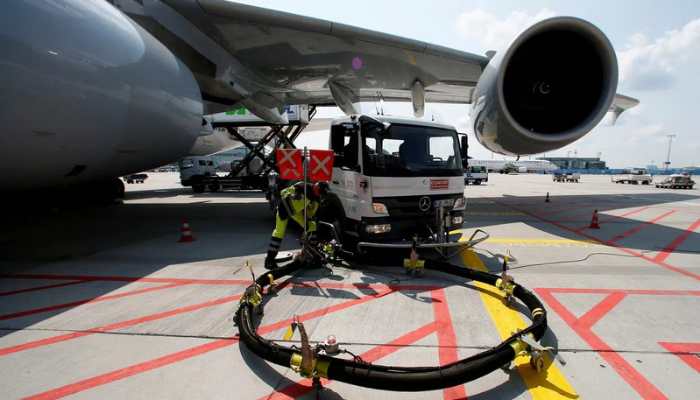
Nigeria’s domestic refineries — led by the Dangote Petroleum Refinery — have recorded zero aviation fuel imports for 13 consecutive months, a milestone that marks a genuine structural shift in Nigeria’s downstream petroleum sector. The country that once imported virtually all of its refined petroleum products is now producing sufficient aviation fuel domestically to meet national demand, eliminating the foreign exchange cost of those imports and reducing the exposure of the aviation sector to global supply disruptions.
The implications for business travel and logistics costs are direct. Aviation fuel accounts for a significant share of airline operating costs, and when those costs are met through domestic production rather than dollar-denominated imports, the pricing pressure on ticket prices and freight charges is reduced. For Nigerian businesses that rely on air cargo or executive travel, a more stable and domestically sourced aviation fuel supply improves cost predictability.
Thirteen months of zero aviation fuel imports is not a coincidence or a temporary condition. It is evidence that the Dangote Refinery’s ramp-up has reached a threshold where it is materially changing Nigeria’s import dependency in one of the country’s most strategically important commodity categories.
The refinery’s private placement of $2.5 billion last week — which attracted $4 billion in demand — will fund an expansion of processing capacity to 1.4 million barrels per day by 2028. If petrol and diesel follow the trajectory of aviation fuel, the implications for Nigerian businesses’ energy costs over the next three years could be significant.