

The fragile ceasefire between the United States and Iran has broken down again, with analysts confirming that ambiguity over control of the Strait of Hormuz was the primary factor that triggered the collapse of the truce that had briefly stabilised global oil markets in June 2026.
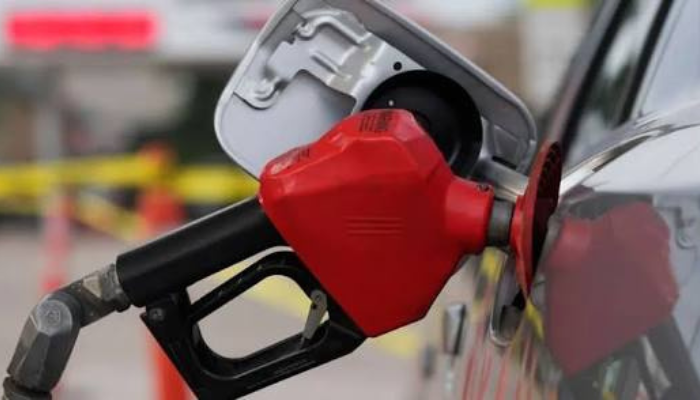
For Nigerian businesses, the development reverses the fuel price relief that had pushed petrol prices toward N900 per litre — and signals the return of the energy cost pressures that have been squeezing SME margins throughout 2026.
Read also: Nigeria stablecoin usage surges as domestic refineries end aviation fuel imports
What collapsed and why
The initial US-Iran peace deal announced in June, which had driven Brent crude prices down to $82 to $87 per barrel and generated hopes of petrol falling below N1,000 per litre in Nigeria, unravelled over a fundamental disagreement about the operational status of the Strait of Hormuz — the narrow waterway through which approximately 20 per cent of global oil trade passes. Iran’s position on who would control passage through the strait following any agreement proved irreconcilable with US terms, and the deal fell apart before the conditions necessary to reopen it fully could be formalised.
As of this week, global crude prices have begun rising again, with the ambiguity around Hormuz access adding a geopolitical risk premium to oil market pricing. Analysts quoted by Nairametrics cited the uncertainty as a direct trigger for the renewed price pressure, with the market reversing its June assumptions about supply restoration.
The oil market gave Nigerian businesses a brief window of relief. The Strait of Hormuz dispute has closed it again. For SMEs that restructured their cost assumptions around N900 per litre petrol, the recalibration back toward N1,200 and above is not just a disappointment — it is another cash flow shock in a year that has already delivered several.
Read also: Global supply chain shocks make Nigeria’s non-oil export push more urgent — NESG
The Nigerian fuel market in context
Nigeria’s petrol price had risen from approximately N800 per litre in February 2026, before the conflict began, to above N1,300 per litre at the peak of Middle East disruption. The US-Iran ceasefire announcement in June brought prices back toward N1,000 to N1,100 per litre, with the Dangote Refinery reducing its gantry prices for diesel and aviation fuel as global crude eased.
That partial relief is now under threat. The Dangote Refinery, which has been processing crude oil purchased at various price points during the conflict period, continues to price based on its existing inventory costs as well as forward market conditions. If global crude prices resume their upward trajectory — as the Hormuz ambiguity suggests they could — the refinery’s pricing and imported product landing costs will both respond accordingly.
The domestic crude swap arrangement being consulted on by the Nigerian Upstream Petroleum Regulatory Commission — which would allow the Dangote Refinery to purchase Nigerian crude in naira and potentially reduce its exposure to dollar-denominated pricing volatility — has been identified as one structural measure that could insulate domestic fuel prices from some of the global market turbulence. However, that arrangement remains under consultation rather than in active implementation.
Read also: US-Iran peace deal fuels hopes of sharp petrol price drop for Nigerian businesses
What it means for Nigerian SMEs
For the small businesses that have already spent much of 2026 absorbing energy costs above N1,200 per litre, the renewed Hormuz uncertainty is a direct operational concern. Generator-dependent manufacturers, logistics operators, food processors, and retailers all face upward pressure on their most unavoidable operating cost — the fuel that keeps their businesses running in the absence of reliable grid electricity.
The brief June-July period of lower fuel prices had begun to ease some of that pressure. Business owners who had started to recalibrate monthly budgets around lower energy costs now face the prospect of reversing those adjustments.
Nigeria cannot insulate its SMEs from global oil price volatility indefinitely. But every month that the domestic crude swap arrangement, the Tinubu Light renewable energy initiative, and grid improvement programmes remain unimplemented is a month that Nigerian small businesses absorb the full force of global energy market shocks that a more diversified energy base would partially absorb for them.