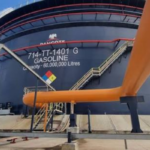


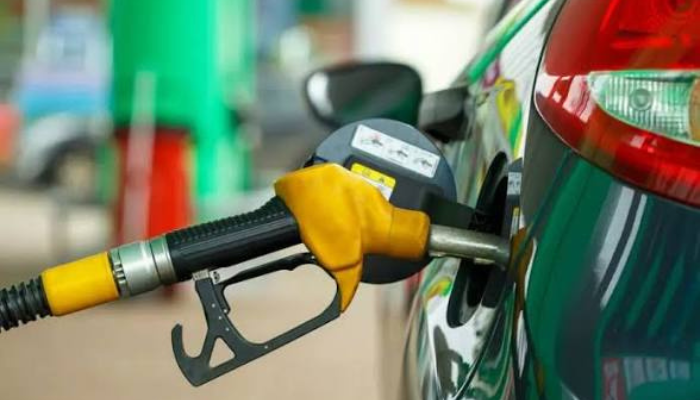
Global crude oil prices crashed to a three-month low on Monday after United States President Donald Trump announced an initial peace deal with Iran, raising expectations that Nigeria’s petrol prices — which surged to as high as N1,300 per litre during the conflict — could fall to around N900 per litre in the coming days. The development marks a potential turning point for Nigerian small businesses that have spent more than three months absorbing some of the highest energy costs in recent memory.
Read also: World Bank mobilises $100 bn crisis fund as Middle East conflict squeezes Nigerian businesses
What happened and what it means
Brent crude futures fell 5 per cent to $82.94 per barrel on Monday, their lowest level since early March, after Trump confirmed on Sunday that a deal with Iran had been reached and that the Strait of Hormuz would be reopened toll-free. US West Texas Intermediate similarly dropped 5.4 per cent to $80.26 per barrel. Both benchmarks had traded above $100 per barrel for much of the conflict period, with crude peaking above $120 per barrel in April before the ceasefire momentum began building.
For Nigeria, the transmission from global oil prices to pump prices is now direct and relatively swift following the removal of fuel subsidies and the liberalisation of the downstream sector. Petrol sold for approximately N800 to N830 per litre before hostilities began on 28 February 2026. Prices climbed to N1,200 to N1,300 per litre at the height of the crisis, with diesel and aviation fuel recording similar increases.
Every naira above N800 per litre has been an involuntary tax on Nigerian businesses. For a manufacturer or logistics operator that has spent three months burning fuel at N1,200+, the prospect of a return to pre-crisis prices is not just welcome news — it is the difference between a viable cost structure and one that was slowly eroding the business.
Read also: Nigerian agribusiness JR Farms seals $60 mn, 20-year coffee deal with Liberia
What operators are saying
Joseph Obele, Publicity Secretary of the Petroleum Retailers Owners Association of Nigeria, was direct about the outlook. If the Strait of Hormuz is fully reopened and the peace deal holds, petrol prices should fall below N1,000 per litre and potentially to N900 per litre — reflecting a return to the pricing environment that existed before the conflict disrupted global energy supply. He noted that the product was trading around N800 per litre before February 28, and cautioned that the speed of any reduction would depend on how quickly existing high-cost crude stocks are worked through the refining system.
Pakistan’s Prime Minister, who served as a mediator in the talks, confirmed that the US and Iran would sign a Memorandum of Understanding in Switzerland. Iran’s semi-official Mehr news agency reported the draft deal includes reopening the Strait of Hormuz within 30 days under Iranian arrangements — a timeline that means some near-term caution is warranted even as the direction of prices is now clearly downward.
Read also: FG opens $1 bn AfCFTA credit facility to help Nigerian businesses
What SMEs should watch
For small businesses in logistics, food processing, manufacturing, and retail — sectors where energy and transport costs have been the dominant margin pressure over the past three months — the potential price decline offers meaningful relief. Diesel prices, which track crude closely and have similarly surged, are expected to ease in parallel with petrol, further reducing generator and freight costs for businesses that depend on both.
Three months of elevated fuel costs have done real damage to SME cash flow and profit margins. A return toward N900 per litre would not undo that damage, but it would meaningfully reduce the monthly operating cost burden that has been constraining investment, hiring, and growth decisions across the sector.
The caveat analysts consistently raise is inventory lag. Existing stocks purchased at higher crude costs will take time to clear the system before lower-priced crude delivers its full benefit at the pump. Businesses should expect a gradual rather than immediate reduction in prices, even as the global signal is now unambiguously in their favour.