

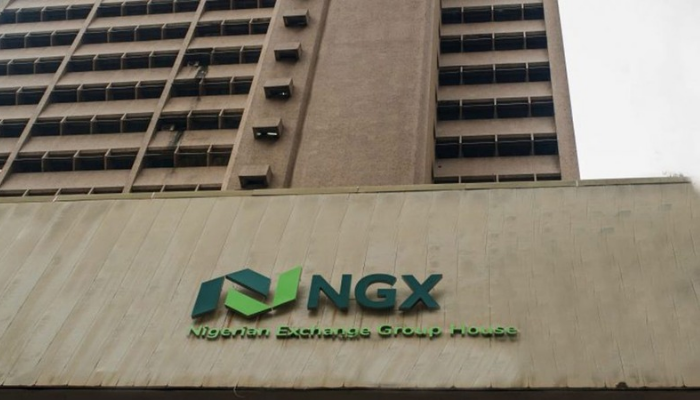
The Nigerian Exchange has reclaimed its position as Africa’s best-performing stock market, overtaking Zimbabwe with a 69.5 per cent return in US dollar terms year-to-date as of 31 August 2026, the highest among the 17 African exchanges tracked by African Markets.
The NGX All-Share Index closed August at 244,199.4 points, its highest level in nearly three weeks, after a 1.20 per cent rally on the final trading day of the month added N1.9 trillion to market capitalisation in a single session, lifting it to N157.7 trillion.
Read also: NGX, BOI take SME capital market financing drive to Kano
What is driving the rally
Nigeria’s stock market performance in 2026 has been driven by a convergence of structural and sentiment factors that are rare in their combination and timing. Banking sector earnings surged sharply in H1 2026, with the recapitalisation programme having strengthened balance sheets and created the conditions for stronger loan book returns. Corporate earnings across telecommunications, industrial goods, and oil and gas sectors have also improved, reflecting the broader macroeconomic stabilisation that has unfolded since the 2023 reform programme began.
The naira’s relative stability, after the dramatic depreciation of 2023 and 2024,has restored the dollar-return calculation for foreign investors, making the NGX’s naira-denominated gains translate into meaningful US dollar performance for the first time in years. Bloomberg’s tracking of 92 global exchanges placed Nigeria second globally behind South Korea’s KOSPI as recently as 14 August, before a brief consolidation.
A 69.5 per cent US dollar return year-to-date is not just a headline number. It is the signal that draws international fund managers back to markets they had abandoned, and it is the backdrop against which Nigeria is preparing to host one of Africa’s largest-ever IPOs.
Read also: NGX group raises shareholder payouts following improved profitability
The FTSE effect
The impending return of Nigeria to FTSE Russell’s Frontier Market index on 21 September 2026 has been a significant driver of renewed market interest. Analysts attribute part of August’s late rally to positioning ahead of the reclassification, with investors anticipating inflows from index-tracking funds once the change takes effect.
The FTSE reclassification is expected to bring passive institutional capital into Nigerian equities for the first time since the country’s removal in 2023, and to raise Nigeria’s visibility among the active fund managers who use Frontier Market classification as a gateway signal for market accessibility and regulatory quality.
Read also: Financial institutions to lead Dangote Refinery listing on NGX
What it means for businesses
A rising stock market is not merely a capital market event. It reflects and reinforces the broader economic sentiment that determines how businesses are valued, how easily they can raise capital, and how confident investors feel about committing long-term funds to Nigerian assets.
For growth-stage businesses and SMEs considering capital market fundraising as an alternative to expensive bank loans, a market delivering 69.5 per cent dollar returns provides the most favourable context in years for debut listings, rights issues, and bond issuances.
The Dangote Refinery IPO targeting $5 billion in October will land in a market that has just delivered one of the world’s best returns, regained its Frontier Market status, and attracted renewed international attention. That combination of factors does not happen often, and the timing is not accidental.