

The Centre for the Promotion of Private Enterprise has raised a sharp warning over proposed textile import restrictions, cautioning that a blanket ban on fabric imports could devastate the downstream garment manufacturing sector and threaten approximately 10 million jobs across Nigeria’s fashion, tailoring, and clothing value chains.
The warning reflects a deepening tension between two competing priorities in Nigeria’s industrial policy — protecting domestic textile producers and preserving the livelihoods of the far larger population of businesses that depend on affordable imported fabric to operate.
Read also: Bank of Industry disburses N636 bn to 7,000 businesses, supports 1.6 million jobs
The source of the conflict
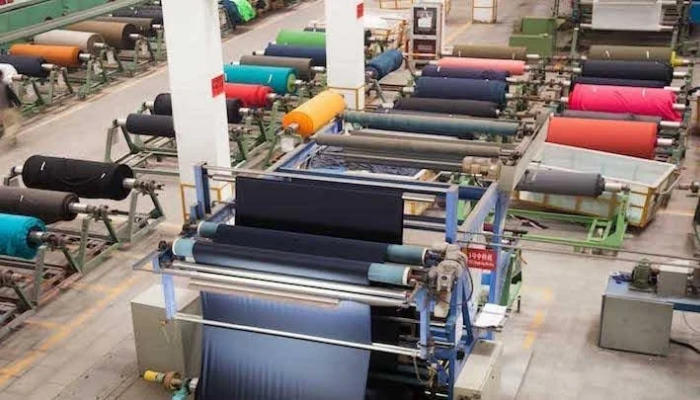
Nigeria’s domestic textile manufacturers have been pushing for import restrictions on foreign fabrics, arguing that cheap imports — particularly from Asia — are undermining local production and preventing the revival of an industry that once employed hundreds of thousands of Nigerians directly. The sector has shrunk dramatically over the past three decades, from more than 180 active mills to fewer than 20, with surviving manufacturers consistently citing competition from imported textiles as the central constraint.
The government has historically supported this position through tariffs, levies, and periodic enforcement actions at ports. The current push goes further, seeking a more comprehensive restriction on fabric imports that would compel garment manufacturers to source locally.
The domestic textile industry’s argument is legitimate. The problem is that a policy designed to save one part of the value chain can destroy a much larger part of it — and the businesses most at risk are the millions of small tailors, fashion entrepreneurs, and garment producers who are not in any lobby group and will not be consulted before the restriction is imposed.
Read also: RMB closes $1.8bn financing deal for Kano-Maradi railway
Why the downstream is alarmed
CPPE Director-General Muda Yusuf made the core concern explicit: Nigeria’s domestic textile mills cannot currently produce the volume, variety, or quality of fabric that downstream manufacturers need to serve their markets. Forcing garment producers to source exclusively from local mills — at higher prices and with limited product range — would increase production costs, reduce competitiveness, and price Nigerian-made clothing out of reach for a consumer base that is already under significant financial pressure.
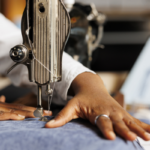
The 10 million jobs figure encompasses not just formal garment factories but the vast ecosystem of tailors, fashion designers, market traders, seamstresses, and small clothing producers who make up the fabric of Nigeria’s informal fashion economy. Many of these are micro and small businesses operating with very thin margins, for whom a sharp increase in fabric costs would not be manageable.
What a better policy could look like
CPPE has argued consistently that the solution to Nigeria’s textile industry challenges lies not in restricting imports but in making domestic production more competitive. This means addressing the energy costs that make local manufacturing expensive, improving access to modern equipment and financing for textile mills, investing in skills development, and creating incentive structures that make it commercially rational for garment producers to increase local sourcing gradually as domestic supply improves.
Protecting an industry by destroying the industries that depend on it is not industrial policy. It is a transfer of costs from one group to another — and in this case, the group absorbing the costs would be millions of small businesses and the consumers they serve.
The NBS manufacturing data for Q1 2026 already shows the textile and garment sector under pressure. Whether the government proceeds with import restrictions, and how they are structured if it does, will be among the more consequential industrial policy decisions of 2026 for Nigeria’s SME sector.