


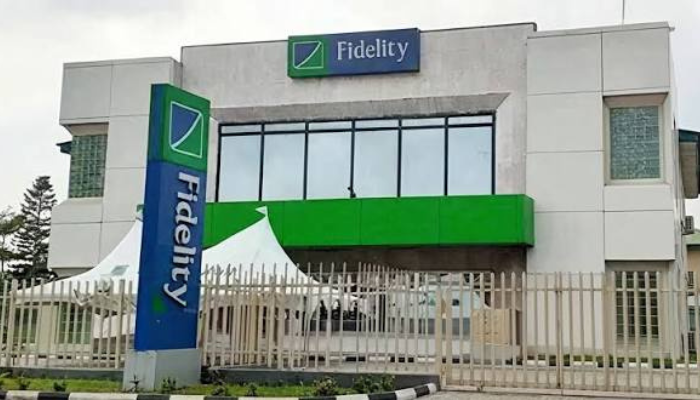
Fidelity Bank is promoting its Green Financing product to Nigerian small businesses that want to cut their dependence on generators. The facility funds solar panels, inverters, batteries and related clean energy assets, allowing eligible customers to spread the cost instead of paying upfront.
Read also: Fidelity Bank bets on local insight to unlock Northern SME growth
The cost of running on diesel and petrol
Power is one of the heaviest costs for small businesses. Studies and industry leaders have put fuel and backup power at up to 40 per cent of overheads for some SMEs. A 2024 study by the Rocky Mountain Institute found that backup power can consume up to 40 per cent of some Nigerian companies’ total expenditure.
The Manufacturers Association of Nigeria has long named erratic power as a top challenge for manufacturers, especially smaller ones. Reports from Lagos have put diesel at around ₦1,400 per litre, which leaves a generator-dependent business with little room to absorb shocks.
Read also: SMEDAN partners Fidelity Bank to empower 40m MSMEs
How the product is positioned
Fidelity says solar systems can reduce generator use, but many small firms cannot pay for a complete system at once. Its financing is meant to turn unpredictable fuel spending into a structured payment on an asset the business owns.
The bank says it uses load assessments, which look at peak demand, operating hours and priority equipment, to match the financing to the business’s actual energy needs. The aim is to avoid oversized systems that strain repayments and undersized ones that leave the generator running.
Read also: Fidelity Bank to introduce SME hub with creative studios
What owners should weigh
Solar financing does not suit every business. A bakery or cold room with heavy daytime loads can see clear savings, while a firm that mostly operates at night needs larger battery capacity and higher costs.
Owners should compare the monthly repayment with what they currently spend on fuel and generator maintenance, and ask about interest, equity contribution and tenor before signing. Those terms decide whether the switch saves money or only shifts the cost.
Banks have an important role here. Competition is growing, with fintechs and other lenders also financing solar equipment for businesses. If lenders keep pricing and structuring these loans around real cash flow, solar could move from a backup option to the standard way small businesses power their operations.