

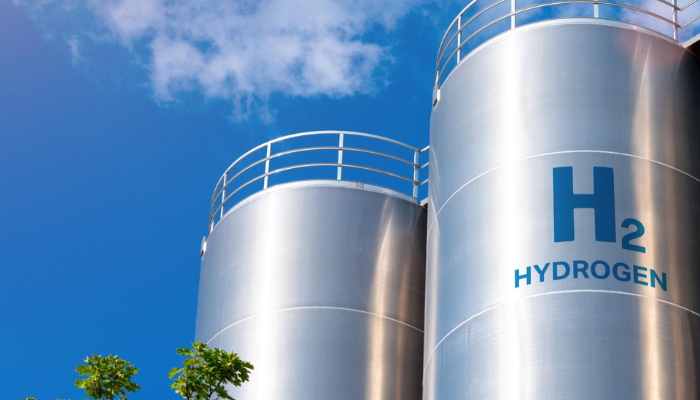
Germany has identified Nigeria as a strategic partner in its move towards sustainable energy, with a particular focus on green hydrogen. This development was highlighted at the opening of a two-day stakeholder meeting in Abuja, where Germany’s interest in Nigeria’s hydrogen policy was clearly expressed.
Read also: Ghana moves to attract startups with new innovation bill
Natural resources position Nigeria as a key supplier
German Ambassador to Nigeria, Annett Günther, disclosed that Germany sees Nigeria’s vast gas reserves and renewable energy potential as key to meeting its future hydrogen demand. “Germany cannot meet its hydrogen needs domestically,” she said. “We are looking to Nigeria as a key partner in our green hydrogen strategy.”
Nigeria holds over 309 trillion cubic feet of gas reserves and also has significant renewable energy capacity. This combination places the country in a strong position to become a major player in the global green hydrogen market.
Read also: IMF cuts Nigeria’s 2025 growth forecast to 3.0% as oil revenues decline
Draft policy and stakeholder collaboration
The two-day event in Abuja is centred around Nigeria’s draft hydrogen policy. It is funded by the German government and supported by the German development agency, GIZ. The event aims to bring stakeholders together to discuss and refine Nigeria’s roadmap for hydrogen energy.
The meeting is expected to shape a policy framework that aligns with both domestic needs and international energy transition goals.
Hydrogen as a future foreign exchange earner
Speaking at the event, Nigeria’s Minister of Budget and Economic Planning, Senator Atiku Bagudu, said the country is positioning hydrogen as a major foreign exchange earner in the near future. He noted, “Hydrogen can drive our economic diversification efforts and reduce dependence on crude oil exports.”
His remarks reflect the government’s intention to leverage the global push for clean energy as an opportunity to grow new industries and export markets.
Read also: Nigeria, Mexico launch bilateral chamber to boost trade and investment
GIZ promises long-term support
Dr Marcus Wagner, Country Director of GIZ, pledged continued support for Nigeria’s energy transition efforts. He described Nigeria’s hydrogen initiative as “a bold step towards sustainable energy leadership in Africa”.
GIZ has played a consistent role in Nigeria’s renewable energy sector, and its involvement in hydrogen development signals an intention to support long-term infrastructure, capacity, and policy frameworks in the country.
Read also: Lagos urges agricultural stakeholders to embrace AI and technology for food security
Next steps for Nigeria’s hydrogen future
As Nigeria works to finalise its hydrogen policy, collaboration with international partners such as Germany is expected to open access to technical expertise, investment, and global markets.
The stakeholder meeting marks the beginning of what both countries hope will be a lasting partnership, with hydrogen forming a key part of Nigeria’s energy and economic agenda in the years ahead.