


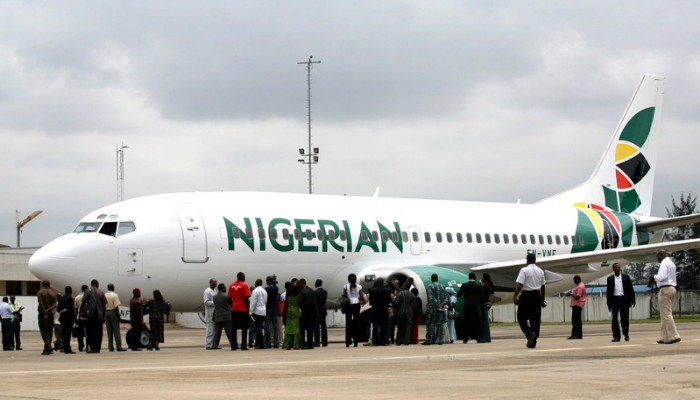
Aviation fuel cost roughly N900 per litre at the end of February. By mid-April, it had risen to over N3,300, an increase of more than 300 per cent in under two months.
That spike drove the Airline Operators of Nigeria to threaten a nationwide suspension of flights from 20 April 2026, warning that revenues could no longer cover operating costs. The shutdown was averted following government intervention, but the crisis it exposed is far from resolved.
Read also: How to use what you have to get what you want
What caused the spike
The surge in Jet A1 prices is partly a global story. Disruptions to oil shipments through the Strait of Hormuz, linked to the ongoing Iran war, have pushed aviation fuel costs higher across the world. In Nigeria, however, the increase was far steeper than the underlying movement in crude prices would suggest.
Air Peace chairman Allen Onyema noted that while global crude oil prices rose by around 20 per cent following the Hormuz blockade, Nigeria’s Jet A1 price rose by approximately 300 per cent. He said airlines had been borrowing from banks simply to pay for fuel, with nothing left for maintenance or other essential operations, a situation he described as incompatible with safety requirements.
Read also: How to start your business with internal funds
The government’s response
President Bola Tinubu agreed in principle to write off a portion of domestic airlines’ debts owed to aviation agencies including NAMA, FAAN, and NCAA, with Aviation Minister Festus Keyamo confirming that the exact percentage would be determined by the president following a formal submission from operators. A committee will also be established to review taxes, levies, and fees on domestic air tickets, with the aim of reducing pressure on both airlines and passengers.
Fuel marketers were separately called in for discussions on pricing. Airline operators welcomed the intervention but some, including Onyema, called for a full waiver of all outstanding debts and a suspension of further payments until the Strait of Hormuz is reopened.
What businesses stand to lose
The prospect of a domestic flight shutdown extends well beyond the aviation sector. Nigeria’s internal air network is a critical part of how goods move and deals get done. Time-sensitive cargo, perishable products, business travel, and the deployment of skilled workers across cities all depend on reliable domestic flights. Even a brief suspension would raise logistics costs, disrupt supply chains, and put pressure on SMEs that rely on speed and reach to stay competitive.
The structural problem is deeper than the current fuel crisis. Nigeria’s airlines have long operated in a high-cost environment, exposed to foreign exchange pressure on aircraft leases, multiple government levies, and now extreme fuel price volatility. Fuel now accounts for the largest single cost for most carriers, and there is no immediate indication that the pricing dynamic will stabilise.
The government’s response addresses the immediate threat, but the underlying vulnerability remains. An airline sector that cannot sustain itself financially will eventually be unable to sustain the economic connectivity the country depends on, and a debt waiver, while useful, does not change the conditions that produced this crisis.