


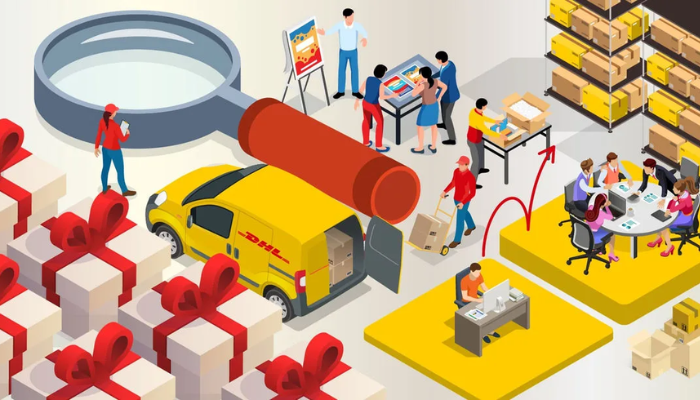
As businesses expand beyond their immediate environment, managing location and product delivery has become a key part of long-term growth. A business may operate in one city while serving customers in several others. What determines success in such cases is not only the quality of the product, but also how efficiently it reaches the customer.
In this edition of “Growing Your Business Series with L.O.”, the discussion centres on the systems that help businesses remain accessible to customers across different locations.
For many business owners, the process does not end after production. Once a product is ready, attention must shift to delivery, market access, and customer expectations. Without a structured plan, even a strong product can fail to meet demand.
Read also: Take advantage of local infrastructure and business communities for growth
The first step is understanding the market. Business owners must identify who their customers are, where they are located, and how they prefer to receive products or services. These questions shape decisions around logistics, pricing, and communication.
Poor delivery systems often lead to rejected goods, delays, and customer complaints. In competitive markets, such issues can damage trust and reduce repeat business. For smaller enterprises, the impact can be significant.
To address this, businesses are encouraged to create alternative delivery channels. Some may choose direct sales, while others may rely on retailers, agents, or digital platforms. The right choice depends on the product or service being offered.
Market research remains essential. Knowing the right quantity, delivery timeline, and service method helps businesses respond to customer needs without unnecessary waste.
The wider lesson is that location management is not simply about where a business is based. It is about making products and services available in ways that meet customer demand efficiently.
As customer expectations continue to evolve, businesses that invest in practical delivery systems and informed location strategies are more likely to maintain relevance and sustain growth in changing markets.