

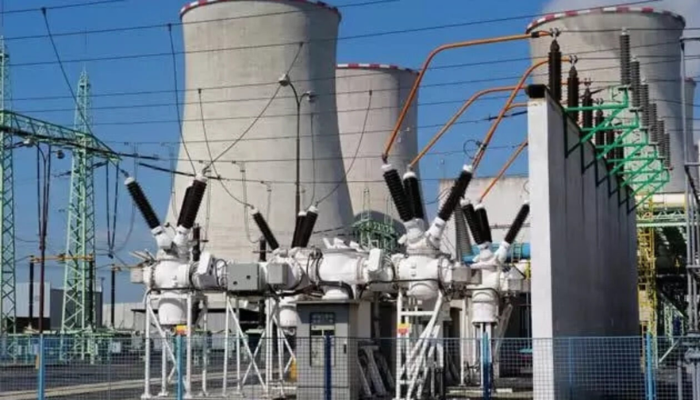
The Federal Government of Nigeria has approved a payment of ₦185 billion (≈ US$128 million) to settle debts owed to gas producers supplying power-generating plants.
The Minister of State for Petroleum (Gas) said the payment is a critical step to restore investor confidence in Nigeria’s gas sector and ensure a steady supply of gas to power plants, which have struggled to operate efficiently due to unpaid obligations. The move aligns with national strategies to strengthen the energy sector and address persistent electricity supply issues.
Read also: Dangote Refinery promises major boost to Nigeria’s fuel supply
Efforts to stabilise the energy market and attract investment
The payment will be executed through a royalty-offset arrangement with the gas producers, aiming to improve liquidity in the sector. Analysts say settling these debts could help attract private-sector investment into Nigeria’s power and gas industry, as investors gain confidence that operational risks and outstanding liabilities are being addressed. Improved gas supply is expected to boost electricity generation, support industrial activity, and reduce load shedding in key economic hubs.
Read also: Nigerian firms’ profits rise 73% as Naira stability drives five-year high
Broader reforms underpin the “decade of gas” initiative
The government views this debt clearance as part of the larger “Decade of Gas” policy, which aims to raise Nigeria’s gas output to 12 billion cubic feet per day by 2030. Industry experts note that consistent payments and regulatory clarity are vital for achieving this target. By tackling long-standing financial bottlenecks, Nigeria can position itself as a reliable gas supplier domestically and regionally. The move is likely to spur growth in power generation, stimulate economic activities, and encourage foreign investment into Nigeria’s critical energy infrastructure.
Read also: Big banks’ customer lending rises to N42trn as monetary easing begins to shape credit conditions
Implications for economic growth
If the gas payments are executed efficiently, it could help stabilise the electricity supply, reduce production costs for industrial firms, and enhance overall business confidence. Energy security remains a cornerstone of Nigeria’s economic reform agenda, and resolving these debts demonstrates the government’s commitment to improving infrastructure and supporting sustainable economic development.