


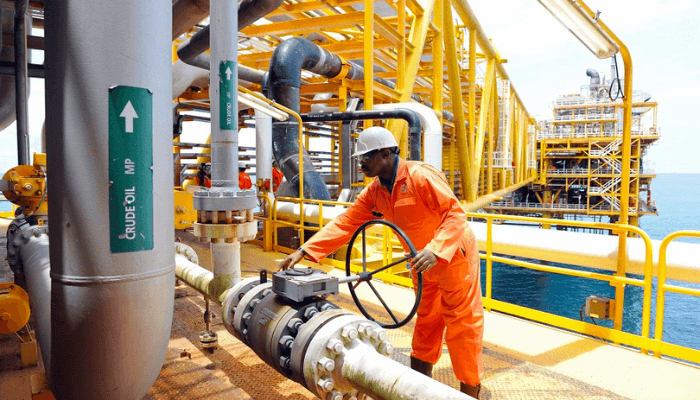
Nigeria’s latest plan to attract foreign investment in the upstream oil sector faces significant challenges. Despite launching strategies to license new acreage, improve production data transparency, and offer incentives to investors, global companies remain cautious due to persistent fiscal instability, security risks, and delayed project approvals.
Read also: Software spending by 7 SWOOT giants surges in 9M 2025 as competition intensifies
Structural challenges in the sector
Analysts highlight that Nigeria competes poorly with emerging African oil producers such as Namibia and Angola, which offer predictable regulatory frameworks and faster licensing processes. Nigeria’s aging infrastructure, pipeline vandalism, and rising operational costs further dampen investor enthusiasm.
Read also: OPEC reports oil output slips in november, nigeria among countries affected by outages
Local operators and financing hurdles
While indigenous operators are exploring government incentives, financing remains a major constraint. Clarity on new fiscal terms, project security, and faster approvals is critical to unlocking investments that could boost production levels and meet domestic and export demand.
Read also: Nigeria launches 2025 oil‑licensing round: 50 blocks up for grabs
The government insists that new upstream reforms, in partnership with the Nigerian Upstream Petroleum Regulatory Commission (NUPRC), will rebuild investor confidence. Success, however, depends on measurable improvements on the ground. Nigeria’s ambitious upstream vision faces a narrow window to regain investor trust in 2026.