


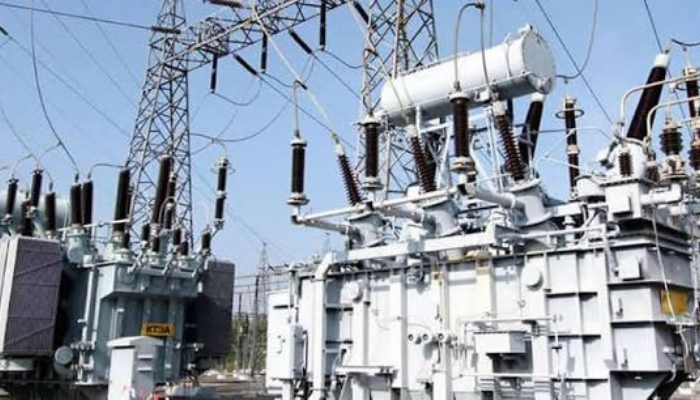
A consumer rights and power sector advocacy group, PowerUp Nigeria, has formally indicted Nigeria’s electricity crisis as a primary driver of rising inflation, escalating production costs, and growing job losses across the manufacturing sector.
The group’s Executive Director, Adetayo Adegbemle, made the declaration in a statement released on Wednesday, describing the electricity situation as having evolved beyond a utilities problem into a fundamental threat to Nigeria’s economic and industrial aspirations.
What the numbers confirm
The PowerUp statement was released against the backdrop of hard data that reinforces its central argument. Nigeria’s power sector contracted by 15.3 per cent in the first quarter of 2026, according to NBS GDP data — the sharpest sectoral decline recorded in the period. The Nigerian Electricity Regulatory Commission has separately confirmed that the country’s 11 electricity distribution companies lost N309.73 billion to unbilled energy and uncollected revenue in the same quarter: N150.36 billion from energy that was distributed but never billed, and N159.37 billion from billed customers who never paid.
The combined effect is a sector that is simultaneously contracting in output and haemorrhaging revenue — conditions that make investment in grid improvement difficult and perpetuate the very unreliability that is costing businesses money every day.
A power sector that is shrinking while distribution companies lose N310 billion in a single quarter is not a sector in transition. It is a sector in structural crisis, and every factory that cannot afford to wait for the grid has already done the maths.
Read also: Nigeria to revise inflation measurement framework following index rebasing
The cost that businesses absorb daily
Adegbemle stressed that the electricity sector is the backbone upon which any industrial renaissance in Nigeria must be built, and that its current condition is actively preventing that from happening. Manufacturers that cannot access reliable grid power operate on diesel generators, the cost of which has become one of the most significant and unavoidable line items in SME budgets.
With diesel at approximately N1,700 to N2,000 per litre, businesses spending six to eight hours per day on generator power are absorbing costs that directly reduce margins, raise product prices, and limit their ability to invest in capacity. The Manufacturers Association of Nigeria has consistently flagged that plants across the country are operating at between 55 and 65 per cent of installed capacity, with power supply cited as a primary constraint.
Read also: How Nigerian startups are surviving high inflation in 2026
What needs to change
PowerUp Nigeria called for accelerated reforms across the electricity value chain, including stronger investment in transmission infrastructure, improved market liquidity, faster metering, reduction in technical and commercial losses, and governance reforms designed to restore investor confidence in the sector. Muda Yusuf of the Centre for the Promotion of Private Enterprise has echoed these positions, noting that the Q1 2026 GDP report reflects an economy supported by services and digital activity while the industrial base that creates the most direct employment and SME opportunity remains held back by infrastructure failure.
Every percentage point of power sector contraction is a signal that the economy’s industrial base is running harder to stay still. Nigeria cannot build the manufacturing SME ecosystem it needs on a grid that is going backwards.