

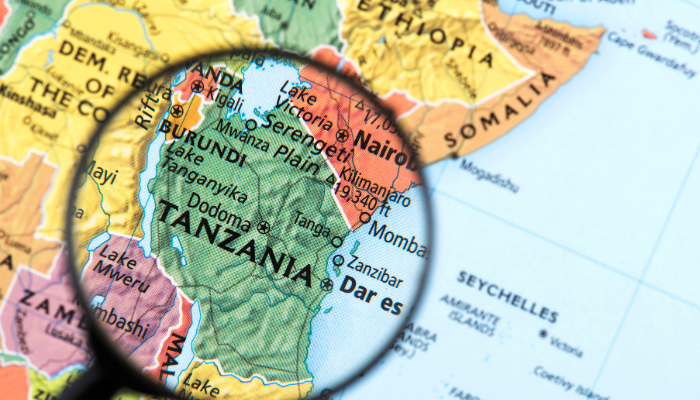
Tanzania has launched a major push to build its local drug industry, aiming to cut its heavy reliance on imported medicines and position itself as an East Africa pharmaceutical hub.
More than 80% of medicines and medical equipment used in the country are imported, costing about $1 billion each year, according to official figures. The government says this dependence exposes the country to supply shocks and high prices.
Officials believe expanding pharmaceutical manufacturing at home could improve access to essential medicines while keeping more money inside the economy.
Imported Medical Equipment Drains National Resources
At present, Tanzania depends heavily on foreign suppliers for both drugs and medical equipment. This makes healthcare vulnerable to global disruptions and foreign exchange pressure.
The government’s new programme is designed to reverse that trend by supporting local producers and attracting private investment into drug production.
Investment Acceleration Taskforce Under the Spotlight
A key question is whether the Investment Acceleration Taskforce can turn policy plans into real factories and bankable projects.
Dr. Francis Mallya, a medical practitioner and medical supply chain specialist, says local production will not succeed without addressing core challenges. These include financing, technical capacity, and strong supply chains that can compete with imports.
Investors, he notes, will closely watch how policies are implemented, not just announced.
Regional Impact Beyond Tanzania
If successful, local drug production could reshape prices and supply routes across East Africa. Shorter supply chains may reduce costs and improve availability in neighboring countries.
But the transition will not be easy. Imported medicines currently dominate the market, and building competitive local factories will take time.
For Tanzania, the stakes are high: reduce imports, secure healthcare supply, and claim a leadership role in regional pharmaceutical production—or risk seeing ambition stall at the policy stage.
![Fela Kuti [Source BBC]](https://africansme.com/wp-content/uploads/2026/01/Fela-Kuti-Source-BBC-150x150.png)