


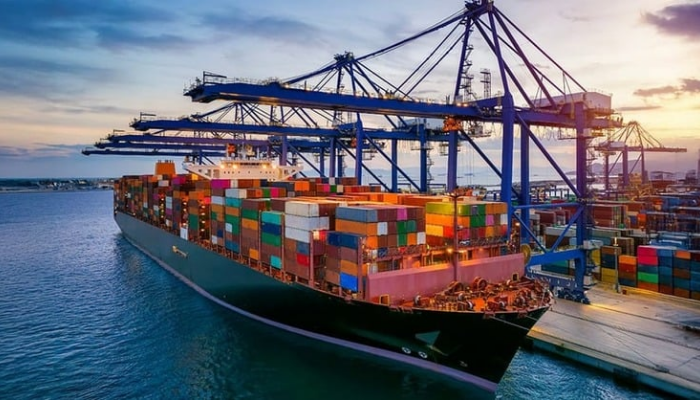
The United Kingdom has backed a £746 million financing package to modernise port infrastructure in Nigeria, in a move expected to boost trade efficiency and reduce the cost of doing business across the country. Government officials say the initiative forms part of a broader effort to position Nigeria as a leading trade hub in West Africa.
Read also: Legend Internet and Spectranet plan merger to expand broadband access
Ports long overdue for upgrades
Nigeria’s ports handle the bulk of the country’s imports and exports, yet years of underinvestment have left facilities ill-equipped to meet growing trade demands. Congestion, inefficient cargo handling, and outdated equipment have made shipping operations costly and slow, placing an unnecessary burden on businesses that rely on the movement of goods.
The new financing will fund modern equipment, information technology systems, and expansion projects designed to increase throughput and reduce bottlenecks at key port facilities. For businesses involved in trade, the improvements could translate directly into lower logistics costs and more predictable supply chains.
Read also: Concerns grow over Dangote refinery influence on Nigeria’s petrol supply market
What this means for businesses
Improved port operations are expected to benefit SMEs engaged in import and export by cutting clearance times and reducing fees associated with cargo delays. Faster processing and better inter-agency coordination could make Nigerian ports considerably more competitive at a regional level.
Efficient ports do not just help large corporations — small businesses that import raw materials or export finished goods stand to gain the most from reduced waiting times and lower shipping costs. Better logistics also allow businesses to plan operations with greater certainty, reducing losses that stem from unpredictable delays.
Read also: Nigerian exporters warn shipping disruptions could affect trade operations
The risks worth watching
Experts warn that accountability and transparency will be essential if the funding is to achieve its intended impact. Past infrastructure projects in Nigeria have faced challenges around mismanagement, delays, and inadequate coordination between government agencies and private operators.
For the port upgrades to deliver lasting value, federal agencies, port authorities, and logistics companies will need to work in close alignment. Without that coordination, even well-funded projects risk falling short of expectations.
Read also: Nigerian stock market movement reflects cautious investor sentiment
Outlook for trade and investment
Successfully executed, the project has the potential to improve Nigeria’s standing in global trade rankings, attract foreign investment into the logistics sector, and strengthen economic integration across the region. Modernising the entry points through which goods flow into and out of the country sends a strong signal to investors that Nigeria is serious about its infrastructure challenges.
Whether it delivers on that promise will depend on the quality of implementation and the government’s commitment to maintaining momentum beyond the initial announcement.