


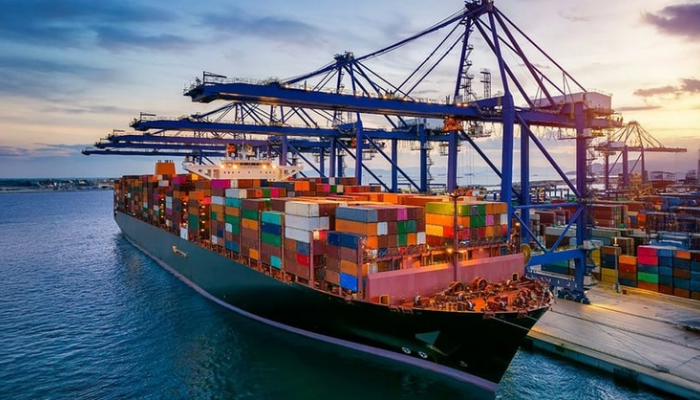
The Federal Government is set to introduce a digital trade platform aimed at improving efficiency across Nigeria’s ports and simplifying import and export processes.
The platform, known as the National Single Window, will integrate multiple government agencies into a single system, allowing businesses to complete documentation and approvals digitally. The system is designed to reduce paperwork, speed up clearance, and increase transparency in port operations.
Read also: UK backs £746m financing deal to upgrade Nigeria’s ports
The problem businesses have been dealing with
For years, Nigeria’s ports have faced persistent delays, duplication of processes, and high operational costs. Importers and exporters have often had to navigate multiple agencies to secure approvals, which increases time and cost for businesses.
These challenges disproportionately affect small and medium-sized enterprises (SMEs), which often lack the resources to manage bureaucratic hurdles efficiently. Delays at ports have resulted in increased storage fees, higher freight costs, and reduced competitiveness for local businesses in international trade.
The new platform is expected to cut through these inefficiencies, reducing processing times and improving transparency. By digitising approvals, businesses can track their shipments in real-time and avoid repetitive submissions to different agencies.
Read also: Legend Internet and Spectranet plan merger to expand broadband access
How this could change things for SMEs
Streamlined procedures could significantly lower the cost of doing business. Faster clearance times and reduced bureaucracy will help SMEs compete more effectively in regional and global markets.
Entrepreneurs involved in import-export activities can expect smoother documentation, less time tied up in queues, and reduced administrative burdens. The platform could make Nigeria’s ports more business-friendly, particularly for smaller operators who rely on efficiency to remain profitable.
Read also: Concerns grow over Dangote refinery influence on Nigeria’s petrol supply market
What could slow things down
Despite the potential benefits, the success of the platform will depend heavily on implementation. Adequate digital infrastructure, staff training, and seamless inter-agency coordination are critical to ensuring the system works as intended.
There are also concerns about resistance within some agencies accustomed to manual processes. Without buy-in from all stakeholders, the platform could face delays or inconsistent application, limiting its impact.
Read also: Nigerian exporters warn shipping disruptions could affect trade operations
What does it mean long term
If successfully executed, the National Single Window could improve Nigeria’s ranking on ease-of-doing-business indexes and attract more domestic and foreign investment into the logistics and trade sectors. The system also aligns with broader government efforts to modernise the economy and enhance competitiveness in regional trade.
Read also: Nigerian stock market movement reflects cautious investor sentiment
The bottom line
The digital trade platform represents a major step towards modernising Nigeria’s port operations. However, its real impact will depend on careful execution, sustained support, and monitoring to ensure businesses, especially SMEs, truly benefit from the initiative.