

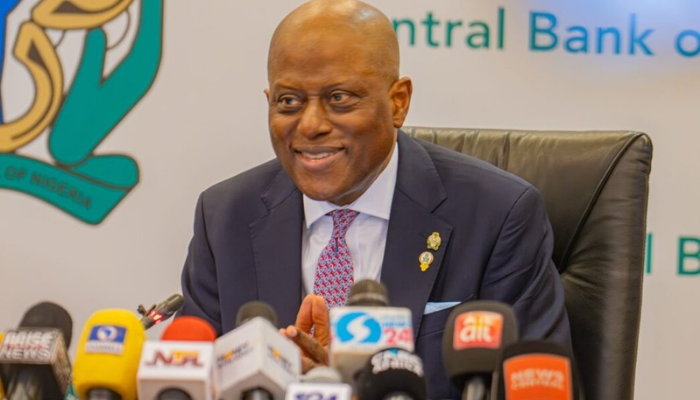
The Africa Finance Corporation has appointed Olayemi Cardoso, the Governor of the Central Bank of Nigeria, as its new Chairman of the Board, placing one of Africa’s most influential monetary policymakers at the helm of a continental infrastructure investment institution with over $12 billion in assets and operations across more than 40 African countries. The appointment, confirmed today, signals a deepening of the relationship between Nigeria’s central bank leadership and Africa’s institutional investment architecture at a moment when continental development finance is under growing pressure to demonstrate impact at scale.
Read also: CPPE says CBN rate cut could unlock credit for manufacturers, farmers, businesses
Who AFC is and why the appointment matters
The Africa Finance Corporation is a multilateral development finance institution established in 2007, headquartered in Lagos, and focused on infrastructure financing across energy, transport, heavy industry, telecoms, and natural resources. Its shareholder base includes African sovereign governments, the CBN itself, and a range of multilateral and private sector investors, making it one of the continent’s most credibly capitalised development institutions.
Cardoso’s appointment as Chairman elevates his role from that of shareholder representative to board leadership of an institution whose deployment decisions directly shape the investment environment in which Nigerian and African businesses operate. AFC’s recent transactions include a $600 million loan to Dangote Group’s Greenview Fertiliser Corp and the $1.5 billion climate-resilient infrastructure fund launched in August 2026, making it one of the most active large-ticket investors on the continent.
Placing a sitting central bank governor at the head of a $12 billion development finance institution is not a ceremonial appointment. It creates an alignment between monetary policy and development finance decision-making that could meaningfully accelerate the deployment of AFC capital into Nigeria and the broader African market.
Read also: CBN resets MPR by 350 basis points to 23% in biggest rate cut since 2006
The broader context
The appointment arrives as Africa’s development finance landscape is under renewed scrutiny over the pace and quality of capital deployment. The continent faces an annual infrastructure financing gap estimated at $100 billion, and development finance institutions, including AFC, have been challenged to move capital faster and into the productive sectors where the need is most acute.
Cardoso’s track record at the CBN, which includes the foreign exchange liberalisation, the banking sector recapitalisation, and the monetary policy framework that produced Nigeria’s first credit rating upgrades in more than a decade, gives him credibility with both African institutional partners and the international investors whose capital AFC needs to mobilise at scale.
For Nigerian businesses and SMEs, the significance of the appointment lies in the signal it sends about the priority attached to productive investment at the highest levels of the country’s financial leadership. An AFC Chairman who is simultaneously managing Nigeria’s monetary policy is one who understands, from two institutional vantage points, the conditions that allow capital to flow into the real economy.
Development finance and monetary policy are not separate conversations. At their intersection is the question of whether Africa’s economies can generate the investment-led growth that reduces poverty, builds infrastructure, and creates the business environment in which small enterprises can compete and grow. Cardoso now shapes both sides of that conversation.