

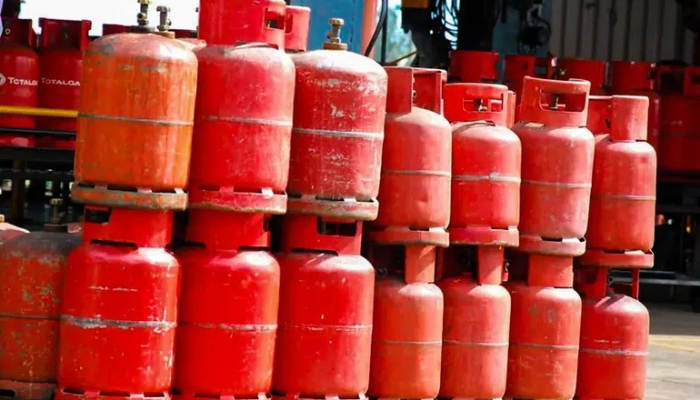
Nigerians are facing a fresh wave of increases in the cost of cooking gas as a deepening supply shortage pushes prices to uncomfortable levels across several major cities, with industry operators warning that conditions may worsen before they improve.
Reports from marketers and retailers indicate that the cost of Liquefied Petroleum Gas has continued to climb in recent weeks despite earlier expectations of market stabilisation, placing additional pressure on households and small businesses that depend on the fuel for daily operations.
Read also: Intra-African Trade and LPG key to addressing Africa’s $15bn infrastructure gap
What prices look like on the ground
Retail prices for cooking gas have climbed to between N1,800 and N2,000 per kilogram in parts of Lagos, Ogun, and Ondo states, according to checks across distribution outlets. At the wholesale level, the cost of 20 metric tonnes of LPG has reportedly risen to between N29.5 million and N30 million, a significant increase that marketers say is being passed directly to end consumers.
The President of the Nigerian Association of Liquefied Petroleum Gas Marketers, Edu Iyang, confirmed that conditions in the market have deteriorated rather than improved, saying the situation is worsening and that product availability has become increasingly unpredictable. Consumers who purchased gas at lower prices ahead of the recent Eid-el-Kabir public holiday say prices rose sharply within days of the celebration, with some finding it difficult to source supplies at all in their areas.
Read also: Nigeria issues permits to access flare gas, targets $2 billion investments
What is behind the shortage
Industry operators point to a specific structural shift in the domestic LPG market as a key driver of the current shortage. When the Dangote Petroleum Refinery entered the LPG market following its ramp-up in 2025, it injected significant volumes of domestically produced gas into the supply chain, reducing the market’s reliance on imports and driving prices down. Importers, responding to that competitive pressure, scaled back their procurement significantly. The problem, according to NALPGM officials, is that the Dangote refinery’s LPG output has since declined due to production challenges and contractual commitments to international buyers, leaving a supply gap that neither domestic production nor shrunken import volumes can fill. The market is now caught between reduced imports and insufficient domestic supply, a combination that industry sources say is directly responsible for the scarcity and price increases currently playing out across the country.
What it means for Nigerian SMEs
The impact of rising cooking gas prices extends well beyond household kitchens. For Nigerian small businesses, particularly food vendors, caterers, bakeries, restaurants, and small-scale processors, LPG is a primary production input whose cost feeds directly into the price of goods and services sold to consumers. When gas prices rise sharply and supply becomes unreliable, small food businesses face a difficult choice between absorbing the cost increase and losing margin, or passing it on to customers who are already stretching limited budgets.
Supply uncertainty also forces businesses to purchase in smaller quantities at less favourable rates or seek alternative fuels that carry their own risks and inefficiencies. With Nigeria’s food and hospitality SME sector largely dependent on stable, affordable LPG access, a prolonged supply crisis of this kind has the potential to meaningfully raise operating costs and reduce the viability of small enterprises at the base of the food economy. Marketers say conditions are unlikely to ease unless domestic producers or importers inject significant additional volumes into the market in the near term.