


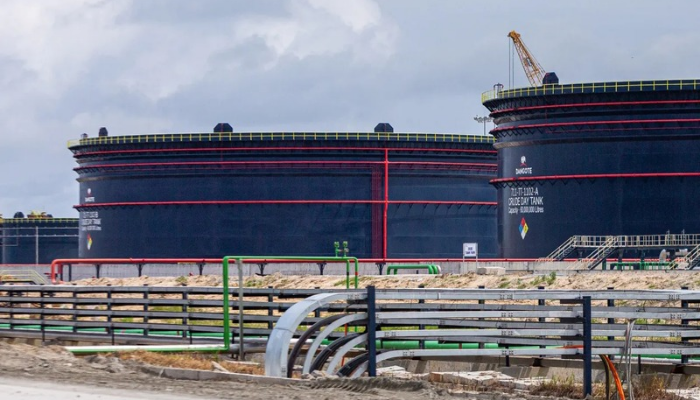
Nigeria has increased crude oil allocations to the Dangote refinery in a move aimed at improving domestic fuel production and easing pressure on imports.
According to industry sources, the Nigerian National Petroleum Company (NNPC) has raised the number of crude cargoes allocated to the refinery from five to seven for May. This adjustment comes amid ongoing concerns about feedstock availability, which has limited the refinery’s ability to operate at full capacity.
Read also: Signature Bank strengthens lending capacity after capital increase
Why supply issues are still holding things back
The Dangote refinery, regarded as Africa’s largest, requires consistent crude supply to sustain large-scale operations. While the increase in allocations signals progress, analysts note that the refinery still needs additional volumes to reach optimal output levels.
Operators within the sector have indicated that irregular supply patterns have contributed to continued reliance on imported refined products. This has implications for foreign exchange demand and domestic fuel pricing.
Read also: Quest merchant bank reaches N50bn capital benchmark
What this means for fuel availability
The move is expected to support gradual improvements in local refining capacity. Increased domestic output could reduce petrol imports, stabilise supply chains, and lower logistics costs over time.
However, experts warn that the benefits may not be immediate. Infrastructure, pricing agreements, and supply consistency remain key factors that will determine the long-term success of the initiative.
Read also: Employers remain cautious about hiring despite economic adjustments
Bigger picture for the energy sector
The development reflects broader efforts by the government to strengthen local refining and reduce dependence on external markets. Sustained crude allocation and transparent supply arrangements will be critical to achieving these objectives.
Industry stakeholders are also calling for clearer frameworks to ensure that domestic refiners receive priority access to crude oil under predictable terms.
The bottom line
While the increase in crude supply marks a step forward, the effectiveness of the policy will depend on execution and long-term commitment. The Dangote refinery remains central to Nigeria’s strategy to transform its downstream petroleum sector and improve energy security.