

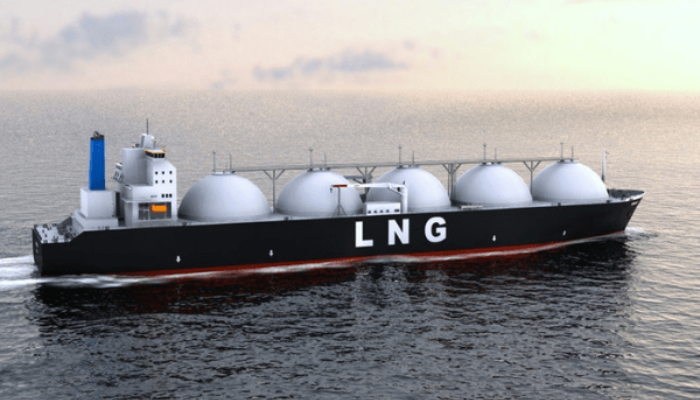
Nigeria is witnessing increased global demand for its liquefied natural gas (LNG), driven by supply disruptions in key producing regions and shifting global energy priorities.
Officials from the Nigerian National Petroleum Company (NNPC) disclosed that buyers across Europe and Asia are showing renewed interest in Nigeria’s LNG cargoes, with more enquiries and negotiations recorded in recent weeks.
Read also: Digital trade platform set to transform port operations
What is driving the new demand
The surge in demand is linked to ongoing geopolitical tensions affecting traditional supply routes, particularly in regions that have historically dominated global gas exports. As supply uncertainties persist, countries are actively seeking alternative and more reliable sources.
Nigeria, with its vast gas reserves and existing LNG infrastructure, is increasingly seen as a strategic option. Industry analysts note that LNG exports have become more important as countries continue shifting towards cleaner energy sources in response to environmental concerns and policy changes.
Read also: UK backs £746m financing deal to upgrade Nigeria’s ports
Why this matters for Nigeria’s revenue
Higher demand presents an opportunity for Nigeria to strengthen its foreign exchange earnings. The LNG segment is becoming a critical source of revenue, especially at a time when crude oil income remains volatile due to price fluctuations and production challenges.
Increased LNG exports could also improve the country’s trade balance and support overall economic stability if managed effectively.
However, infrastructure limitations and production capacity remain key challenges that could affect how much Nigeria can benefit from this demand.
Read also: Legend Internet and Spectranet plan merger to expand broadband access
The challenges Nigeria still needs to fix
Stakeholders have raised concerns about operational efficiency, ageing infrastructure, and the need for consistent investment in gas production and processing facilities.
There are also issues around pipeline security, maintenance delays, and funding constraints, all of which can disrupt supply and reduce output levels.
Without addressing these gaps, Nigeria may struggle to meet rising global demand consistently, potentially losing market share to more efficient competitors.
Read also: Concerns grow over Dangote refinery influence on Nigeria’s petrol supply market
Where is this heading
The federal government has continued to position gas as a transition fuel capable of driving economic growth while aligning with global energy transition goals.
Policies aimed at expanding gas infrastructure, improving production capacity, and attracting private sector investment are expected to shape the sector’s future direction.
Read also: Nigerian exporters warn shipping disruptions could affect trade operations
The bottom line
The increase in LNG demand signals strong potential for Nigeria’s energy sector. However, sustained investment, infrastructure upgrades, and operational efficiency will be essential for the country to fully maximise the opportunity and maintain competitiveness in the global market.