


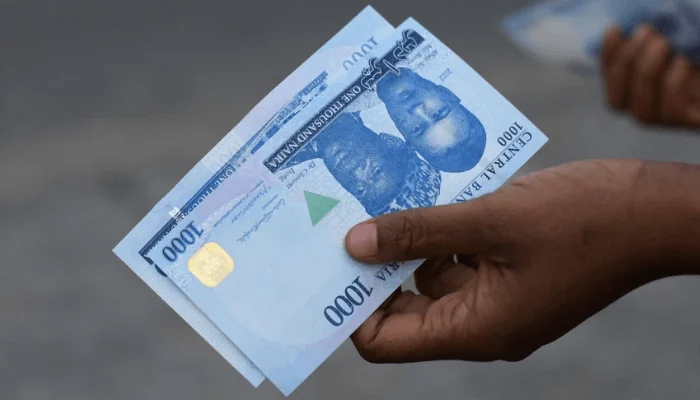
The naira closed at N1,394.01 per dollar at the official foreign exchange market on Monday, 23 November, extending a slide that has taken the currency to its weakest level in eight months. The fall has raised concern among small businesses that import goods, raw materials and equipment. The naira opened the previous week at N1,360 per dollar on 16 November and lost 2.50 per cent by Friday, with five consecutive weaker sessions, according to Nairametrics.
Read also: Nigeria stablecoin usage surges as domestic refineries end aviation fuel imports
What is driving the slide
Demand from foreign portfolio investors outweighed the roughly $1.30 billion in dollar sales attributed to the CBN during the week, Cordros Securities said. External reserves fell to $54.58 billion on 20 November, a loss of $680 million, or 1.23 per cent, over the period, although they remained 23.51 per cent above their level a year earlier. Cordros expects pressure to continue through the end of the year because of weaker net foreign inflows and investor caution ahead of the 2027 general elections.
The parallel market has moved faster. Data collated from currency traders show the naira falling from N1,360 on 3 October to N1,460 on 18 November, a 7.35 per cent decline. Reports describe the sharpest weekly drop in that market in more than two years. On Monday the parallel rate stood at N1,445, a gap of N51, or 3.66 per cent, from the official rate.
Read also: CPPE warns textile import ban could destroy 10 million jobs as manufacturers demand protection
Why small businesses feel it first
Dollar demand typically rises in December as businesses restock and households pay for travel, school fees and medical bills abroad. Bureau de change operators told Nairametrics that importers and small businesses often struggle to obtain dollars from banks and turn to the parallel market. A weaker naira means a trader importing finished goods, or a small manufacturer buying packaging or spare parts, needs more naira for each shipment.
MSME Africa noted that small businesses are particularly exposed because they have limited working capital and less bargaining power with suppliers. Owners may have to raise prices, cut stock or absorb the cost out of profit.
A business that quoted customers last month at N1,360 to the dollar is now buying at N1,394, and at N1,445 if it relies on the parallel market. That gap is the margin on every order not yet delivered.
Read also: Rising livestock imports highlight opportunity for agribusiness SMEs
What owners can do
Analysts advise import-dependent businesses to plan their foreign exchange needs early and to build likely currency movement into budgets and quotes. Owners who can agree prices with local suppliers in naira are better protected than those who must buy at spot rates every week.
The CBN’s rate decision adds another factor. A hold at 23 per cent would signal that the central bank is putting currency stability ahead of further easing, which could support the naira but will not lower borrowing costs for small firms.
Small businesses cannot control the exchange rate, but they can control how much of their exposure goes unhedged. Early purchases, written supplier quotes and cautious pricing are the practical tools available.