

Nigeria’s headline inflation rate eased to 14.06 per cent in October 2026 from 14.63 per cent in September, according to the Consumer Price Index report the National Bureau of Statistics released on Monday. The rate stood at 18.97 per cent in October 2025. The annual decline continues the disinflation trend that has followed the foreign exchange reforms and the Central Bank of Nigeria’s September cut of its benchmark rate to 23 per cent. The month-on-month picture is less comfortable. Prices rose by 0.43 per cent between September and October, against 0.06 per cent the month before.
Where prices are still rising
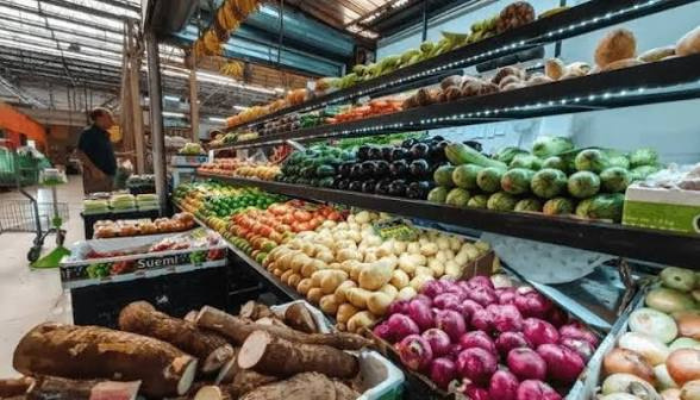
Food inflation stood at 19.13 per cent year-on-year in October, down from 19.59 per cent in September. Food prices fell by 0.75 per cent month-on-month, but that is a slower decline than September’s 1.55 per cent. The NBS listed vegetable oil, sardines, green peas, frozen mackerel, croaker, local rice, fresh catfish, beef tripe, palm oil and millet flour among the items that recorded higher price increases.
Food and non-alcoholic beverages contributed 5.63 percentage points to headline inflation. Restaurants and accommodation services added 1.82 points and transport added 1.50 points.
For a caterer, a food processor or a market trader, the headline figure matters less than the price of the ingredients bought this week. Food costs still run almost 20 per cent above last year, and several staples used daily by food businesses are among the items rising.
Read also: Power crisis driving inflation, job losses and factory shutdowns across Nigeria — advocacy group
Core inflation offers relief
Core inflation, which excludes farm produce and energy, fell sharply to 10.78 per cent from 12.95 per cent in September. On a month-on-month basis the core index declined by 0.53 per cent, reversing September’s 1.11 per cent rise. That points to easing pressure in manufactured goods and services, which affects the packaging, equipment and service costs that small businesses pay.
Urban inflation stood at 14.84 per cent and rural inflation at 12.17 per cent. The gap suggests that businesses in cities carry heavier cost pressure than those in rural areas.
What it means for borrowing and pricing
Falling inflation matters most when set beside lending rates. Commercial banks still charge small businesses well above 30 per cent in many cases. A loan at 30 per cent therefore costs roughly 16 percentage points more than headline inflation, which is a heavy real burden for a business with thin margins. As inflation declines, the gap between what a small business earns on its sales and what it pays on borrowed money widens in the lender’s favour.
Retail pricing is easier. A business that raised prices sharply during 2024 and 2025 now faces customers who push back, so owners who can hold prices steady while input costs ease will rebuild margins.
Disinflation helps only when lending rates follow it down. Until banks pass the CBN’s September cut into loan pricing, the cost of credit will remain the larger constraint on small business growth than the rate of price increases.