

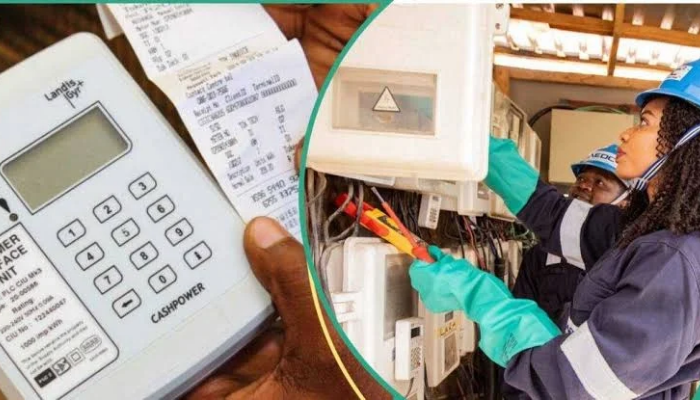
The Lagos State Electricity Regulatory Commission has clarified in a consumer awareness directive that electricity distribution companies and other licensed operators in Lagos are prohibited from recovering unpaid electricity charges that are more than 12 months old, a ruling that directly addresses one of the most widely complained-about practices in the state’s electricity sector and offers meaningful relief to businesses and residents who have been confronted with billing demands stretching back years.
Read also: LASERC exposes MTN, Flour Mills and 36 others generating 600MW in Lagos without licences
What the ruling says
The restriction is grounded in Paragraph 35(1) and 35(2) of the Lagos State Retail Electricity Supply Code, which limits the period within which electricity providers can recover outstanding charges. Under the rules, electricity supply licensees cannot recover charges older than 12 months except in three specific circumstances: meter tampering, illegal use of electricity, or deliberate obstruction of meter reading activities.
LASERC published the directive on its official social media platforms to ensure consumers were aware of the protection available to them, following persistent complaints from residents and businesses about back-billing practices in which significant historical debts were presented for settlement without warning.
A business confronted with a demand for electricity bills covering three or four years of estimated back-billing is not facing a billing correction. It is facing a liquidity crisis that has nothing to do with the electricity it actually consumes. LASERC’s directive draws a clear legal line against that practice.
Read also: AI adoption surges in Nigeria, offering opportunities for business innovation
The broader regulatory context
The ruling is part of a comprehensive reform programme LASERC has been rolling out since assuming responsibility for Lagos’s electricity market from the Nigerian Electricity Regulatory Commission under the Electricity Act 2023. The commission has made a series of consumer-focused announcements since its inauguration in March 2026, including plans for 24-hour electricity supply pilot zones by October 2026, a 100 per cent metering initiative from July 2026, and the Electric Eye of Lagos AI-enabled monitoring system scheduled for October 2026.
LASERC CEO Temitope George has consistently framed the commission’s mandate around three objectives: protecting consumers, encouraging investment, and promoting innovation. The 12-month billing limit advances the first objective by capping the financial exposure consumers face from accumulated back-billing disputes.
Lagos State Commissioner for Energy and Mineral Resources, Abiodun Ogunleye, was direct about the state’s position on electricity pricing. Lagos operates a no-subsidy policy — tariffs must reflect the actual cost of supply and every party in the value chain must be paid. But that commercial clarity also requires clean, transparent, and fairly applied billing — which the back-billing restriction directly supports.
Read also: Paystack expands into finance to tackle Nigeria’s $32bn SME credit gap
What it means for businesses
For Nigerian SMEs operating commercial premises in Lagos, the ruling removes the risk of a sudden, large historical billing demand disrupting cash flow. Many businesses have faced situations in which distribution companies presented multi-year estimated bill reconciliations at the time of a new meter installation or a routine account review — a practice that imposed unpredictable financial obligations on businesses without a mechanism to verify or contest the historical figures.
Energy costs already represent one of the largest and most unavoidable operating expenses for Nigerian SMEs. A regulatory framework that prevents those costs from accumulating unexpectedly into large historical liabilities is a practical improvement in the predictability of business operations.
The Federal Competition and Consumer Protection Commission has publicly endorsed LASERC’s consumer protection direction, calling on other state electricity regulators to adopt similar reforms and urging distribution companies to cooperate fully with metering and billing transparency initiatives.