

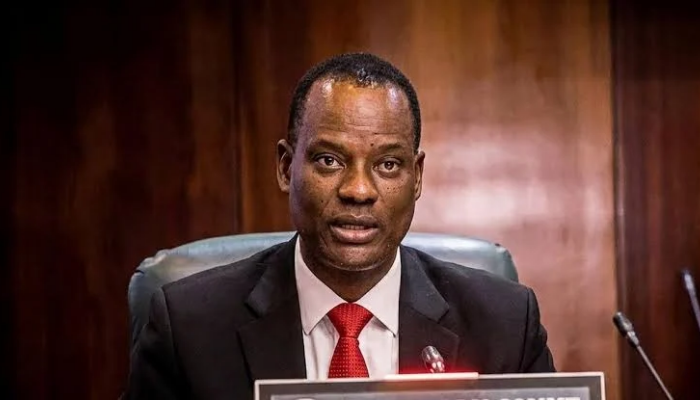
Finance Minister Taiwo Oyedele has ruled out any return to fuel subsidies or multiple exchange rates, warning that a reversal could trigger investor flight and pressure the naira. He spoke on Saturday at a press briefing in Bangkok, held at the close of the 2026 IMF and World Bank Annual Meetings.
Read also: Tinubu appoints Taiwo Oyedele as minister of state for finance
No return to old policies
Oyedele said investors had repeatedly asked for assurance that the government would not undo subsidy removal or exchange-rate unification as Nigeria approaches another election cycle. He answered plainly that the policies will stay. He warned that restoring them would weaken the gains made in stabilising the economy and could push capital out of the country. The IMF has also advised against blanket petrol subsidies and recommends targeted help for vulnerable households.
The NNPC discount
Petrol prices have risen with global oil prices, and pressure on households and businesses has grown. Oyedele addressed the 30-day retail margin discount at NNPC Limited stations directly. He described it as a time-bound commercial decision by the company to cut its margins and support Nigerians. He insisted it is not a subsidy funded with public money.
Read also: Banks channel N15.66trn to government in one year, squeezing private sector credit
A 7 per cent growth target
The minister said the government targets economic growth of 7 per cent. The IMF projects 4.2 per cent for 2026 and 4.3 per cent for 2027. Oyedele argued that those forecasts understate Nigeria’s potential if reforms continue. He said the economy grew by 4.4 per cent in the second quarter of 2026, inflation had fallen for four consecutive months and foreign reserves had passed $35 billion.
What business needs
Oyedele said lower inflation, cheaper financing and relief from food, energy and logistics costs would decide whether Nigeria reaches faster growth. He said fiscal measures will complement the monetary policy of the Central Bank of Nigeria (CBN). He added that the government is preparing plans to speed up expansion across industries from 2027. He also said Nigeria used its chairmanship of the Group of 24 to press for a stronger IMF and more transparent credit-rating methods.
The message gives businesses policy clarity, but not immediate cost relief. The CBN has already cut its benchmark rate to 23 per cent, yet lenders may take time to pass the saving to borrowers. Small firms will therefore watch for falling inflation and cheaper credit more closely than they watch the growth target.