

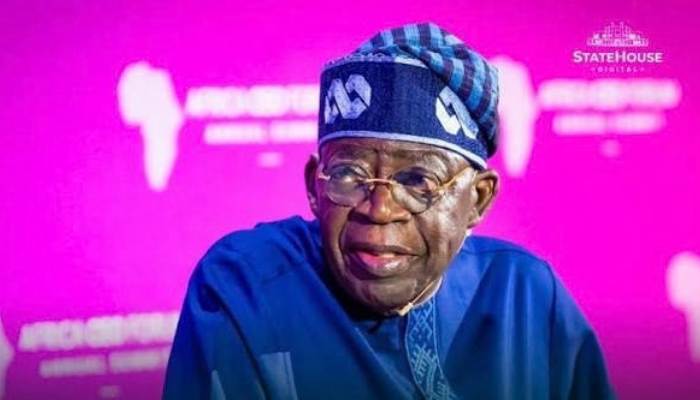
President Bola Tinubu has ruled out any return to a fuel subsidy regime, even as renewed global energy disruptions push up petrol and diesel prices worldwide. Speaking on the National Affordable CNG Transit Programme, he directed state governments to deliver measurably cheaper transportation to Nigerians by October.
Read also: US-Iran truce collapses again as Strait of Hormuz dispute returns fuel price pressure
Why subsidies are off the table
Tinubu said returning to subsidies, which once consumed trillions of naira and exposed the economy to every swing in international oil prices, was not the answer to fresh global pressure on energy costs. Instead, he pointed to three years of investment in a domestic CNG transport ecosystem, now covering more than 120,000 converted vehicles, over 400 conversion centres and more than 90 refuelling stations.
Read also: Nigeria stablecoin usage surges as domestic refineries end aviation fuel imports
What states have already delivered
Following an August meeting with all 36 governors, Tinubu cited concrete fare reductions already achieved. In Kaduna, 100 CNG buses carried 3.2 million passengers in their first year, saving commuters over N3.5 billion. In Oyo, CNG buses cut the Lagos to Ibadan fare from around N8,000 to N3,200. In Enugu, the Enugu to Nsukka fare fell from N2,500 to N1,500.
In Abuja, commuters on CNG-converted vehicles through the NURTW now pay 40 per cent less on several routes, with Area 1 to Gwagwalada falling from N1,500 to N900. These are not projections. They are fares already being paid today, and they show what happens when cheaper domestic energy is actually passed through to commuters.
Read also: US-Iran peace deal fuels hopes of sharp petrol price drop for Nigerian businesses
Why this matters for SMEs
Transport costs sit inside almost every small business expense line, from moving goods to market to staff commuting to work. A sustained reduction in fares and freight costs, delivered through cheaper domestic gas rather than an unsustainable subsidy, would ease pressure that has built steadily since fuel subsidy removal in 2023.
Tinubu tasked states to work with transport unions and operators, support vehicle conversion, and ensure savings reach citizens through lower fares from 1 October. Whether that deadline holds will determine if this becomes a genuine cost relief for SMEs or another target that slips.