

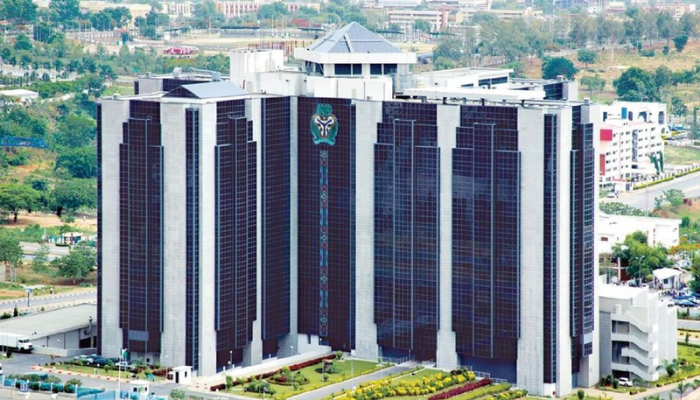
The Central Bank of Nigeria’s Monetary Policy Committee is due to announce its decision on Tuesday, 24 November, at the end of its 308th meeting, with analysts widely expecting the committee to leave the Monetary Policy Rate at 23 per cent. The two-day meeting began on Monday and is the last scheduled MPC meeting of 2026. This article was prepared before the announcement.
Read also: Africa Finance Corporation appoints CBN Governor Cardoso as Chairman
Why analysts expect a hold
All five experts surveyed by Nairametrics expect a hold. United Capital Research, Standard Chartered, Parthian Securities, FSDH Merchant Bank, MDU Capital and Agusto and Co lean the same way. Uche Uwaleke, President of the Capital Market Academics of Nigeria, said the committee will probably retain all key parameters, including the +50/-300 basis point corridor and the Cash Reserve Requirement, so it can assess the effect of its September decision before moving again.
The case for caution rests on the naira and on pre-election spending. The naira closed at N1,394.01 per dollar on Monday, and external reserves stood at $54.58 billion on 20 November. Analysts at Cordros Securities described the naira as the binding constraint on the committee’s decision. BusinessDay reported that concerns over election-related spending, rising money supply and renewed pressure on the naira weaken the argument for further easing. FMDA puts the probability of a hold at 60 per cent and of a cut of up to 50 basis points at 40 per cent.
Read also: CPPE says CBN rate cut could unlock credit for manufacturers, farmers, businesses
The argument for another cut
Headline inflation fell to 14.06 per cent in October from 14.63 per cent in September, and the Nigeria Overnight Financing Rate has declined to about 20 per cent, well below the policy rate. Those figures give the committee room to ease. Monthly inflation, however, rose to 0.43 per cent in October from 0.06 per cent in September, which supports the cautious view.
The September “reset” to 23 per cent brought the policy rate in line with market rates. It did not lower what small businesses pay at the bank.
Read also: CBN resets MPR by 350 basis points to 23% in biggest rate cut since 2006
What it means for small businesses
For SMEs, the headline rate matters less than the rate on the loan statement. Lending rates for small businesses remain well above 30 per cent at many banks, as lawmakers noted in October, and a hold gives banks no new reason to reprice. The Cash Reserve Requirement of 45 per cent for deposit money banks also limits how much they can lend.
One analyst quoted by BusinessDay said a hold would likely keep Treasury bill yields around 15.5 to 16 per cent. When government securities pay that much with little risk, banks have less incentive to take on small-business credit.
Whatever the committee decides, small business owners should read the statement for any signal on the Cash Reserve Requirement and on how the CBN intends to improve the transmission of policy rates to lending rates.