

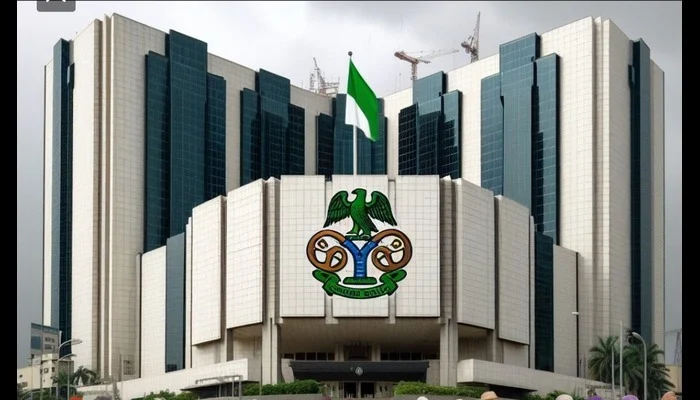
The Central Bank of Nigeria’s Monetary Policy Committee is set to convene its 305th meeting tomorrow, 19 May 2026, at the apex bank’s headquarters in Abuja, with the interest rate decision expected on Wednesday, 20 May.
The meeting arrives at a pivotal moment for Nigerian businesses — a new survey shows that 63.3 per cent of Nigerians want rates cut further, with small businesses among those feeling the most direct pressure from borrowing costs that remain prohibitively high despite recent easing.
Read also: BOI, EIB seal €135m deal to channel EU-backed financing Nigerian agribusiness
Where rates currently stand
The MPC cut the Monetary Policy Rate by 50 basis points to 26.5 per cent at its February 2026 meeting, marking the first rate reduction of the year and only the second cut since the CBN’s aggressive tightening cycle began in 2023. That cycle pushed the MPR from 18.5 per cent to a peak of 27.5 per cent before the committee began cautiously reversing course in late 2025.
Despite the modest cuts, commercial lending rates for businesses have remained well above 30 per cent annually. Structural factors — including the high Cash Reserve Requirement, elevated deposit costs, government borrowing that crowds out private credit, and high bank operating costs — have prevented policy rate reductions from translating meaningfully into cheaper credit for Nigerian SMEs.
The gap between the CBN’s policy rate and what small businesses actually pay to borrow remains wide enough to make many investment decisions financially unviable, even after two consecutive cuts.
Read also: Tinubu seeks Senate approval for $516m loan to fund Sokoto-Badagry superhighway
What SMEs need from this meeting
Access to affordable finance continues to rank as one of the most cited barriers to SME growth in Nigeria. With over 51 per cent of small businesses now actively avoiding formal loans due to high costs, and Nigeria’s SME funding gap estimated at $236 billion, the stakes around monetary policy decisions are not abstract for entrepreneurs.
Analysts at the Centre for the Promotion of Private Enterprise have argued that the easing cycle must be sustained and deepened if it is to achieve real-economy impact. The MPC’s previous communications emphasised that future decisions would be data-driven, pointing to inflation, exchange rate stability, and capital inflow trends as the key variables under watch.
Headline inflation has continued declining for several consecutive months, now at 15.1 per cent, while external reserves stand at $50.4 billion — their highest level in 13 years. Both indicators create space for a further cut, though analysts caution the committee is likely to move carefully to avoid unsettling foreign investors who have returned to Nigerian markets in meaningful numbers.
Read also: How a fuel crisis pushed Nigeria’s airlines to the edge and what it means for business
The outlook
Whether the MPC cuts, holds, or signals a longer pause, the message to small businesses will be closely read. A further reduction would add momentum to the gradual easing of borrowing conditions. A hold would reinforce the caution the committee has signalled since the cycle began to turn.
For Nigerian SMEs, the difference between a 26.5 per cent policy rate and a 25 per cent one may seem technical. But across tens of thousands of loan applications, supply chain financing decisions, and expansion plans on hold, it adds up to a very practical question about whether growth is affordable or not.
The MPC’s decision will be announced on Wednesday morning following Governor Olayemi Cardoso’s post-meeting press briefing.