

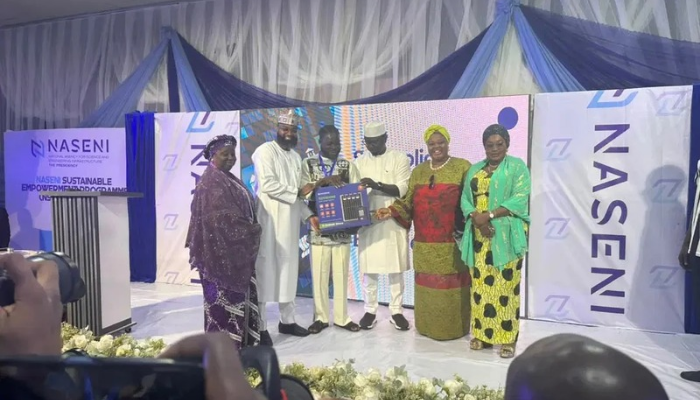
The Federal Government has distributed locally manufactured solar home systems and clean cooking stoves to more than 300 residents of Ondo State, in a move it says will support small businesses, local manufacturing and access to affordable energy. The items were handed out on Saturday in Akure under the National Agency for Science and Engineering Infrastructure’s National Sustainable Empowerment Programme. Beneficiaries came from the state’s three senatorial districts.
Read also: Africa Finance Corporation appoints CBN Governor Cardoso as Chairman
What the beneficiaries received
The distribution took place at the Dr. Olusegun Mimiko International Cultural and Event Centre in Akure. Reports put the number of beneficiaries at 300 or more, and one outlet quoted the agency’s chief executive as saying 330.
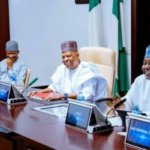
Khalil Halilu, NASENI’s Executive Vice Chairman and Chief Executive, said the solar home systems would light households, let children study at night and help small businesses keep power through the day. The clean cooking stoves, he said, are more efficient and reduce exposure to smoke, which mainly affects women and children.
Read also: Synafare opens N100m financing window for solar merchants
Stipends and the next programme
Ayodele Olawande, the Minister of Youth Development, said beneficiaries would also receive stipends to start or strengthen micro-businesses, so the intervention can sustain itself. The reports do not say how much the stipends will be. He also announced that the Nigeria Youth Academy programme will launch on 9 November, with grants of ₦5 million to ₦20 million for beneficiaries.
Halilu said the NASENI programme has now reached more than 10 states across the six geopolitical zones. Both officials said the programme is not political and is open to people regardless of affiliation.
Why local manufacturing is part of the pitch
Halilu said the agency’s focus is converting research and development into locally made products that address practical needs. Government purchases of this kind can give local manufacturers steady orders, which helps them hire and invest. That only works if the products last and the purchases continue.
Read also: FG commissions solar mini-grid in Gombe, ending 17-year blackout in Tallasse
What a home solar system can and cannot do
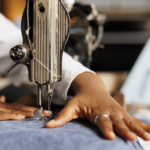
Power is a real cost for small firms. A 2024 study by the Rocky Mountain Institute found that backup power can take up to 40 per cent of some Nigerian companies’ total spending. A home solar system helps at the smallest end. It can run lights, phone charging and a few low-power appliances for a tailor, a barber or a small shop.
It cannot run a welding workshop, a cold room or a bakery. Businesses with heavier loads need larger systems, and those are the ones lenders such as Sterling Bank and Synafare are now financing.
For micro-businesses, the stipend may matter as much as the equipment. A solar system lowers running costs, but a trader or artisan still needs stock, tools and working capital to earn from it.
What to watch
Several details are unclear: how beneficiaries were chosen, the size of the stipend, and whether follow-up support will be provided. With 300 to 330 beneficiaries in a state of millions, the programme is a small start. Its value will depend on whether it scales and whether recipients’ businesses improve.